

Contemporary medical and aesthetic professions require more than professional expertise. The equipment presently being used affects treatment outcomes and confidence. If the tools are reliable then medical practitioners can focus on treatment precision and safety. The importance of equipment and treatment outcomes can be understood in respect to why medical and aesthetic purchases are typically nonimpulsive. They are founded on trust and reliability.
Due to the growing demand for accuracy on the part of the patient, the clinic will be under pressure to provide the required accuracy with the same emphasis on safety. The equipment used in the environment will thus be part of the clinic’s reputation. If a device performs as required, then it will assist the clinic’s judgment, while the opposite is the case if the equipment is of poor quality.
Importance of Effective Tools in the Current Healthcare Setting
Clinical procedures need to be consistent. Whether the facility may be a skin clinic or a surgery center, the results achieved will be dependent on equipment performing in a constant manner. This enables a surgeon to plan a surgery in a particular manner and to follow a procedure without having to account for the unpredictability of the equipment being used.
Patient safety is also being situated in the center in the matter of tool choice. Medical instruments and other items have to be of the standard demanded by the regulatory requirements and have to undergo quality checks compatible with a sterile and controlled setting. If medical practitioners rely on the tools they use, their minds remain focused on the assessment method and follow-up care of the patient.
Efficiency in operations can also be linked to equipment quality. Clinics have to work within a tight schedule and staff. If equipment performs well, it not only prevents delays in operations but also prevents frequent replacement through repair. Clinics can, therefore, work within their routine without having to change schedules for some equipment to be replaced, leading to patient dissatisfaction.
Learning is also aided by reliable equipment. New staff will learn quicker if the equipment operates the same way, following set protocols. Learning will be easier, and errors will be easier to detect and repair. As clinics expand, this will ensure scalability without sacrificing standards.
What Clinicians Look for When Choosing Medical & Aesthetic Equipment
Equipment decision-making begins with healthcare purpose. The devices used in healthcare practices need to relate to certain procedures rather than making general statements. Healthcare professionals determine whether a certain device is suited for precise application, accurate dosing, or controlled delivery based on the healthcare procedure in question. Healthcare relevance is often more important than innovation because effectiveness is more valuable than what is trendy.
The quality of materials is not far behind in importance. Any type of healthcare or cosmetic device is expected to be resistant to frequent cleaning or sterilization. The quality of materials may deteriorate with time, impacting precision or safety levels. For this reason, a doctor or healthcare provider is particular about manufacturing standards and testing certifications.
The ease of use concerns functionalities applied in operation. This should easily integrate with ongoing processes without necessarily forcing a significant change. User-friendly interfaces simplify processes and provide time to concentrate on the operation. This enables consistency in all personnel with different expertise over time.
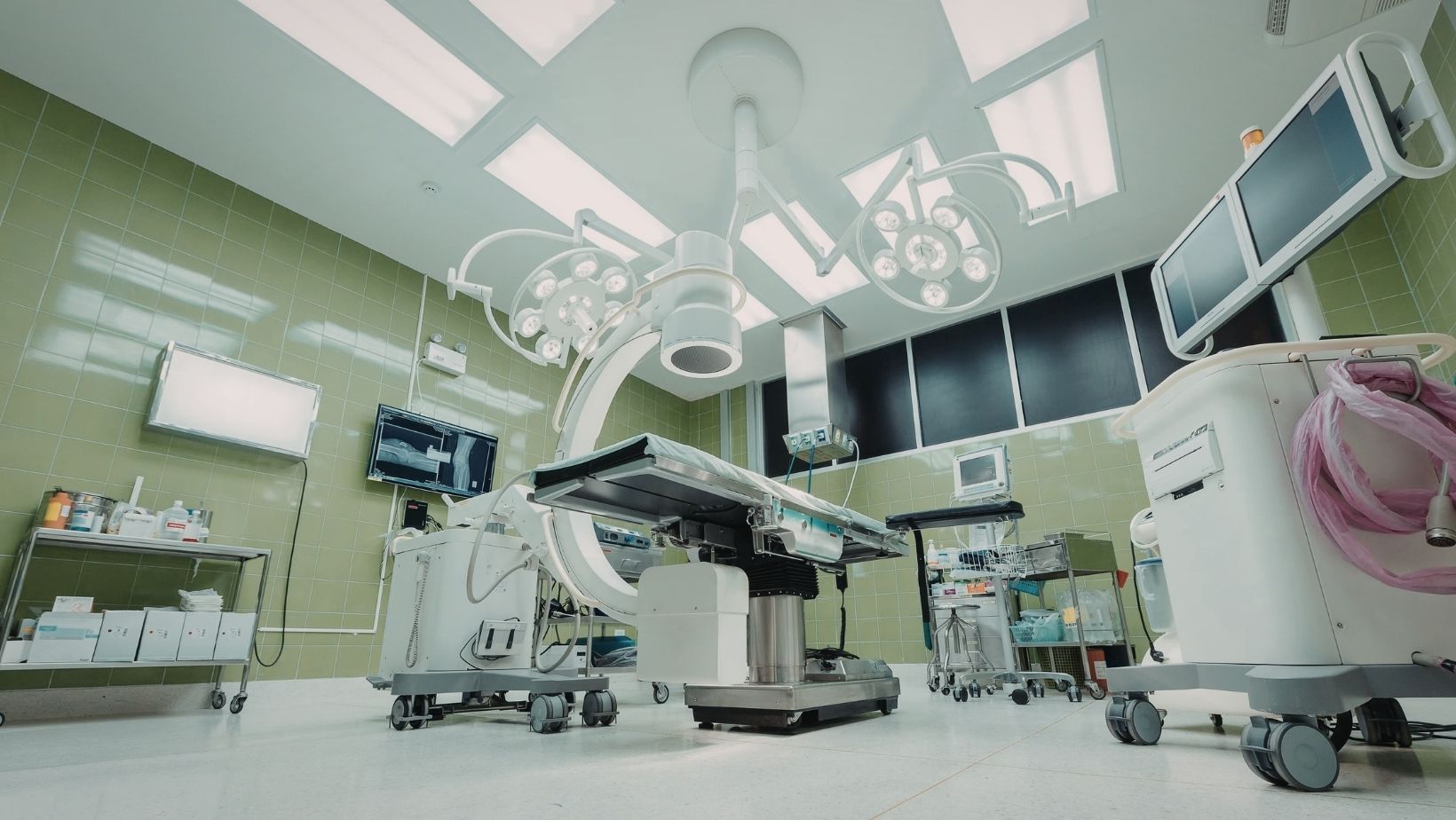
Continuity of supply is another factor that has a direct link to the delivery of patient care. Centers make certain that their operations are not dependent on supplies that could become hard to obtain or replace. This will help meet long term planning without making substitutes at the last minute, which would otherwise affect treatment regimens.
Cost assessment involves much more than initial cost. Healthcare professionals think about durability replacement cycles, support services. While initial costs are lower, total costs over the long term may be higher, if replacement cycles are high, support services substandard. Sustainable purchasing considers equilibrium between cost certainty and support services.
A Trusted Source for Medical and Aesthetic Products
A reliable source of supply helps remove many of the difficulties that clinics encounter. Using a source that understands the clinic helps eliminate doubts about quality compliance. It can be seen that a reliable source of supply is an extension of the clinic’s standards and not a transactional partner.
Medicadepot has created a reputation among medical practitioners who value consistency and proven quality. They offer a range of medical and aesthetic products.
This is reflective of understanding more practical clinical needs than just trends on the surface. Products are chosen to address real-world applications, where reliability plays a role in outcomes in medical and aesthetic applications.
Availability of a diverse but specific offering enables clinics to acquire basic equipment needed in a single location. This saves paperwork and simplifies inventorying. Professionals can budget for purchasing with the assurance that commodities meet the expected level of quality. In the long run, this enables seamless service delivery with limited interruptions.
It’s also important to highlight the role that transparent product information can have. Information on product certifications and usage can help healthcare professionals make the right decisions without having to conduct unnecessary research. This ensures that the right purchasing decisions are made and inhibits the selection of unsuitable products. Suppliers who offer such information can easily foster partnerships based on built trust.
A further measure of assurance is customer support. Sometimes it is necessary to respond quickly about the availability for shipment or compatibility of a product. In the end, all of these experiences contribute to the establishment of long term relationships between the suppliers and the business.
Long Term Impact of Quality Tools on Patient Care and Clinic Operations
The effects of the quality of equipment are not limited to the process itself. Quality equipment leads to quality outcomes, which can, in turn, contribute to patient satisfaction rates. If the services delivered are what the patient expects, this will make them more likely to return to the facility and refer others as well. Clinical confidence builds over time. With experience using known instruments, specialists can work on honing techniques and accuracy. This is what helps them deliver improved results and promotes confidence in what they do. It also helps patients feel this confidence as they interact with specialists. It is also useful for operational planning. Such healthcare facilities that depend on reliable devices are able to predict the need for supplies, as well as budget without major hiccups.
However, being in regulatory compliance is an ongoing process. It requires facilities to adhere to a certain level of standards. Tools for ensuring quality assist the clinic in being in line. Effective products make audits simpler. It also makes inspections and internal audits simpler. It assists the management in concentrating on services. The link between equipment and reputation eventually becomes evident over time. Reputed clinics and their successful performances have a standard relationship with the choice of standard equipment.
The compatibility of the values of the clinic and the choice of equipment positively impacts the level of trust from the employees to the patients. Deciding on good equipment becomes the most important decision in the success of a clinic.