
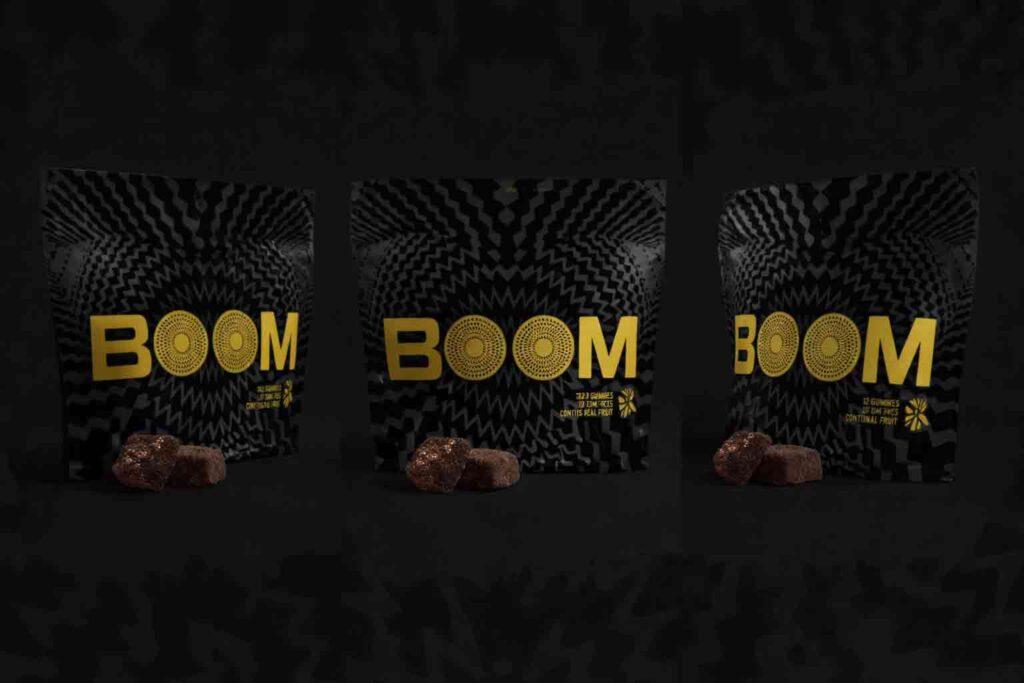
Mushroom gummies have become a distinctive category within the wider specialty-food and confectionery market. Their appearance may resemble ordinary fruit gummies, but the ingredients inside can vary significantly. Some products contain non-psychoactive mushrooms commonly associated with functional foods, while others use terminology connected with psychoactive mushroom compounds.
This distinction makes local regulations particularly important. The legality of a mushroom gummy can depend on its exact ingredients, intended use, labeling, and the jurisdiction where it is manufactured, sold, or possessed.
For anyone researching this category, understanding the difference between product terminology and actual legal classification is essential.
What Are Mushroom Gummies?
Mushroom gummies are chewy confectionery products containing one or more mushroom-derived ingredients.
The mushroom component may be present as a powder, extract, or blend. Other ingredients can include sweeteners, gelatin or pectin, food acids, flavors, colors, and stabilizers.
Not every mushroom gummy belongs to the same legal category.
A gummy containing lion’s mane or another conventional functional mushroom may be treated differently from a product containing a controlled psychoactive compound. Therefore, the phrase “mushroom gummy” alone does not establish whether a product is legal in a particular location.
Why Local Laws Matter
Food and controlled-substance regulations can differ considerably between jurisdictions.
A product permitted under one set of local rules may face restrictions elsewhere. This can apply to the mushroom species, extracted compounds, concentration, product claims, or even the way the product is marketed.
In the United States, for example, psilocybin is listed by the DEA as a Schedule I substance under the federal Controlled Substances Act.
This does not mean every product described informally as a mushroom gummy contains psilocybin. It demonstrates why the actual ingredient matters more than the product name.
Functional Mushrooms and Psychoactive Mushrooms Are Different
One of the most important distinctions is between functional mushroom products and products associated with psychoactive compounds.
Mushrooms such as lion’s mane, reishi, cordyceps, and turkey tail are commonly discussed in functional-food contexts.
Psychoactive mushroom products involve a different set of considerations because certain compounds can affect perception, cognition, mood, and sensory experiences.
The legal treatment of these substances can also be substantially different.
Consequently, using the broad term “mushroom gummies” without identifying the mushroom or compound can create unnecessary confusion.
Understanding the Ingredients on a Label
A product label can provide important clues about how a mushroom gummy should be classified.
Start by identifying the mushroom species. A specific name is more informative than a generic phrase such as “mushroom blend.”
Next, determine whether the ingredient is listed as a powder, extract, or another preparation.
Then examine the remaining ingredients. These may include:
- Sugar or alternative sweeteners
- Gelatin or pectin
- Food acids
- Natural or artificial flavors
- Colors
- Stabilizers
- Other botanical ingredients
In the United States, FDA guidance states that foods containing two or more ingredients generally must declare ingredients using their common or usual names, subject to specified exceptions.
The ingredient declaration can therefore be more informative than the product name displayed prominently on the package.
What Does “Legal Mushroom Gummies” Mean?
The phrase Legal mushroom gummies can sound definitive, but legality is always connected to a particular jurisdiction and formulation.
A product should not be considered universally legal simply because a website, package, or advertisement describes it that way.
The relevant questions include:
- Which mushroom species are present?
- Does the product contain a controlled compound?
- What form and concentration are used?
- Is the product classified as a food, supplement, or another category?
- What rules apply where the product is being sold or possessed?
These questions can produce different answers depending on location.
Food Regulations Are Also Important
Legality is not limited to controlled-substance laws.
A mushroom gummy marketed as a food may also need to comply with food-safety and labeling requirements.
In the United States, FDA explains that substances intentionally used in food generally need an applicable authorization, such as approval as a food additive, recognition as GRAS, or another applicable legal basis.
This means that even when a mushroom ingredient is not a controlled substance, its use in a food product can still involve regulatory requirements.
Labeling and Health Claims
Another important issue is what a company says about a mushroom gummy.
Terms describing ingredients are different from claims suggesting that a product can diagnose, treat, cure, or prevent a disease.
FDA notes that food and supplement labeling must be truthful and not misleading, while different requirements can apply depending on whether a product is regulated as a conventional food or dietary supplement.
This distinction matters because a mushroom’s traditional use or scientific research does not automatically establish that a finished gummy can legally make a particular health claim.
Allergen Information
Local food regulations can also govern allergen declarations.
The mushroom itself may not be the primary allergen concern. Other ingredients used in a gummy could include milk, soy, nuts, or other recognized allergens.
U.S. FDA guidance explains that major food allergens must be declared on relevant food labels using the required food-source terminology.
Consumers should therefore review the complete ingredient and allergen statements rather than focusing only on the mushroom component.
Why Brand Names Do Not Establish Legality
A brand name identifies a company or product line, but it does not determine whether an individual formulation complies with local law.
For example, mushroom gummies by boom bar may be used as a phrase when discussing a particular commercial product range. However, the brand name itself does not establish the legal classification of every product.
Different products can contain different mushroom species, extracts, flavors, or other ingredients.
For regulatory purposes, the specific formulation and applicable laws matter more than the brand identity.
Regulations Can Differ Within One Country
Local regulation can be complicated because laws do not always operate at only one level.
In the United States, federal law can apply alongside state and local requirements. A substance’s federal classification does not necessarily provide a complete picture of every state or municipal rule.
The same principle applies internationally. Different countries can establish their own rules for mushrooms, extracts, psychoactive compounds, foods, supplements, and product claims.
This is why general statements about mushroom gummy legality should always be treated cautiously.
Why Online Availability Does Not Prove Legality
A common misconception is that a product must be legal simply because it is available online.
That is not a reliable legal test.
Online listings can contain inaccurate descriptions, outdated information, or claims that do not reflect current regulations. A product’s presence on a website does not establish that its ingredients comply with every applicable law.
Regulations can also change over time.
For that reason, legal status should be checked against current government or regulatory sources for the relevant jurisdiction.
Packaging and Product Classification
Packaging can provide useful clues about how a product is being presented.
A package may identify the product as a food, supplement, confectionery item, or another type of product. It may also provide serving information, ingredient declarations, allergen statements, storage instructions, and warnings.
However, packaging language does not override applicable law.
A product cannot become legally permissible merely because it is described as a “candy,” “gummy,” or “food.”
The actual ingredients and applicable regulatory framework remain important.
Organic and “Natural” Claims
Some mushroom gummies may use terms such as “organic” or “natural.”
These terms can also have regulatory implications.
For example, USDA states that food marketed as “organic” must meet applicable USDA organic standards and certification requirements.
The word “natural” can have a different regulatory meaning and does not automatically indicate that a product has particular health or environmental benefits. USDA’s Economic Research Service notes that consumers may interpret such claims more broadly than the regulatory definition supports.
This is another reason to distinguish marketing terminology from legally defined claims.
How Consumers Can Check Local Requirements
Anyone researching mushroom gummy regulations should begin with the exact product ingredients and their location.
A practical process is:
Identify the mushroom. Find the exact species or compound listed.
Check the preparation. Determine whether the ingredient is a powder, extract, or another form.
Identify the product category. Determine whether it is presented as food, a supplement, or another product.
Review local rules. Check relevant government or regulatory authorities for the jurisdiction.
Look at current information. Regulations can change, so older articles may no longer reflect the current position.
This approach is more reliable than relying on broad statements such as “mushroom gummies are legal.”
Why Regulations Continue to Evolve
Mushroom-based products are part of a rapidly changing specialty-food landscape.
New ingredients, extraction techniques, formulations, and product categories can create questions for regulators. At the same time, existing food and controlled-substance rules may continue to apply.
The result is a regulatory environment that can change over time.
For businesses and consumers, keeping track of current requirements is therefore more useful than assuming that a rule from a previous year still applies.
Frequently Asked Questions
Are all mushroom gummies legal?
No. Legality depends on the ingredients and the laws applicable to the relevant jurisdiction.
What does “Legal mushroom gummies” mean?
It is a broad marketing phrase and does not establish universal legality.
Are functional mushrooms the same as psychoactive mushrooms?
No. They represent different categories with different considerations.
Does a brand name prove a product is legal?
No. The specific ingredients and applicable laws determine regulatory status.
Can mushroom gummies be regulated as food?
Potentially, depending on their ingredients, formulation, claims, and jurisdiction.
Why is the ingredient list important?
It identifies the substances used in the product and can help determine which regulations may apply.
Do mushroom gummy laws vary by location?
Yes. Federal, state, provincial, and local rules can differ depending on the jurisdiction.
Does online availability prove legality?
No. A product being listed online does not establish that it complies with local law.
Conclusion
Understanding mushroom gummy products requires looking beyond their names and packaging. The term can describe formulations containing ordinary functional mushrooms, extracts, blends, or ingredients associated with psychoactive compounds.
Local regulations are particularly important because food rules, labeling requirements, controlled-substance laws, and product-claim restrictions can all apply. In the United States, for example, psilocybin is federally classified as a Schedule I substance, while food ingredients can also be subject to separate FDA requirements.
For anyone researching mushroom gummies, the most reliable approach is to identify the exact ingredients, understand the product category, read the complete label, and consult current regulations for the relevant jurisdiction. This provides a more accurate picture than relying on broad terms such as “legal,” “natural,” or “mushroom gummy.”