
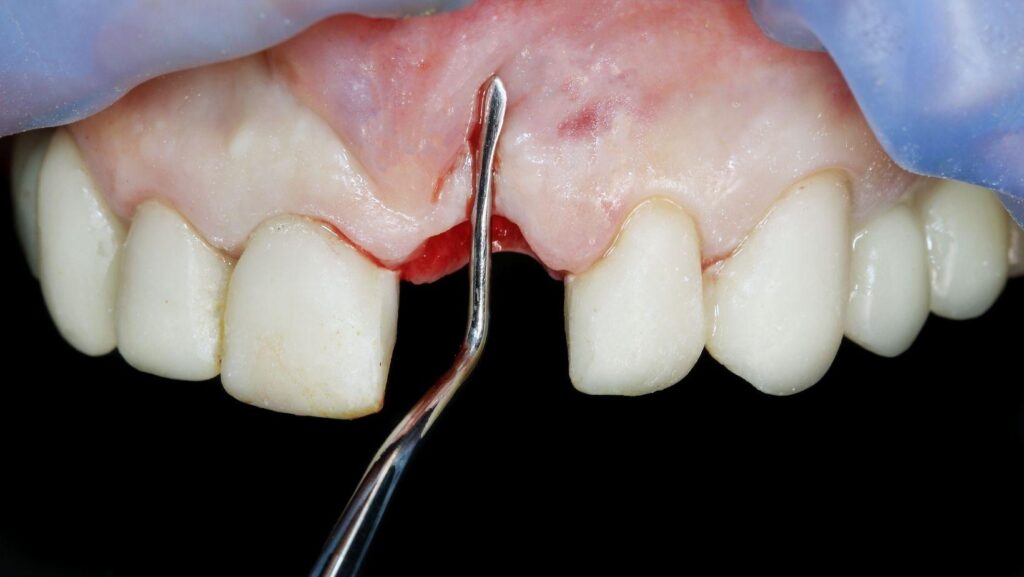
A single tooth implant can sometimes be placed immediately after extraction, but your dentist must confirm that the site meets specific clinical requirements. Adequate bone, healthy gums, and a controlled infection risk help determine whether same-day placement is appropriate. Not everyone qualifies for immediate placement of a tooth implant in Chula Vista, California, which is why a thorough evaluation comes first.
You may receive an implant during the extraction visit, but healing, bone support, and overall oral health determine whether immediate placement is safe for you. When immediate placement does not suit your situation, delayed treatment, bone grafting, or another tooth-replacement option may provide a better path.
You will learn how dentists assess candidacy. The procedure, healing timeline, risks, alternatives, and long-term implant care can affect your treatment plan.
Immediate Implant Placement Explained
Immediate placement can replace a tooth during the same appointment as extraction, but it does not suit every patient or socket. Your dentist must assess infection, bone volume, gum tissue, bite forces, and whether the implant can achieve firm initial stability.
How Same-Day Placement Works
Your dentist first removes the tooth as gently as possible to protect the socket walls and surrounding gum. The site then undergoes careful examination, often with three-dimensional imaging, to identify bone defects, root anatomy, and the ideal implant position.
If the socket and your medical conditions permit treatment, the dentist places the implant into the prepared socket during the same visit. The implant must engage stable bone, usually beyond or beside the former root area, because the extraction socket itself may not provide enough support.
Your dentist may add bone-grafting material to fill a gap between the implant and socket wall. A temporary crown might be attached only when the implant remains stable and your bite can avoid harmful forces.
Otherwise, you receive a healing restoration and return later for the final crown after the implant integrates with the bone.
Benefits of Preserving the Extraction Socket
Immediate placement can reduce the number of surgical appointments and avoid a separate implant-placement procedure after socket healing. It may also shorten the time without a tooth, although your total treatment time still depends on healing, grafting, and whether you qualify for an immediate temporary crown.
The procedure can help maintain the socket’s three-dimensional contours, particularly when your dentist preserves the thin outer bone and manages the gum tissue carefully. It does not completely prevent natural bone remodeling after extraction, and it cannot replace missing bone or soft tissue in every case.
Potential benefits include:
Careful positioning remains essential. An implant placed immediately but incorrectly can compromise the gumline, appearance, cleaning access, or long-term function.
Candidacy and Clinical Requirements
Immediate placement may suit you when the extraction site has enough healthy bone for initial implant stability, the gum tissues remain healthy, and you have no uncontrolled condition that could impair healing. Your dentist or oral surgeon must confirm these factors through an examination and dental imaging.
Bone Volume and Socket Condition
Your implant needs firm contact with the remaining jawbone immediately after placement. A three-dimensional scan, such as CBCT imaging, helps assess bone width, height, density, and the position of nearby structures, including nerves and sinus spaces.
Immediate placement works best when the socket walls remain largely intact, especially the facial bone wall. A damaged socket, extensive bone loss, or an implant site that cannot provide adequate initial stability may require bone grafting and delayed placement.
Your clinician may still place a graft around an implant when small gaps remain, but larger defects can make immediate treatment unsuitable. The extraction must also allow careful removal of the tooth without unnecessarily damaging the surrounding bone.
Your provider will evaluate the root shape, fractures, and any defects before deciding whether immediate placement is predictable.
Gum Health and Infection Control
Healthy gum tissue supports proper healing and helps create a stable, natural-looking result. Your dentist will assess gum thickness, recession, periodontal pockets, and the amount of tissue around the tooth.
Thin or damaged tissue may increase the risk of gum recession, particularly in visible areas such as the upper front teeth. An active infection does not automatically rule out immediate placement, but your clinician must control it and remove infected tissue thoroughly.
Significant swelling, uncontrolled drainage, extensive bone destruction, or poor access for cleaning may favor extraction followed by healing before implant surgery. You may need periodontal treatment first if gum disease affects neighboring teeth.
Your provider may also recommend a temporary restoration and additional soft-tissue or bone grafting when the extraction has compromised the appearance or stability of the site.
Medical and Lifestyle Considerations
Your medical history affects how safely and predictably you can heal. Tell your dentist about diabetes, immune-system disorders, bleeding conditions, previous radiation to the jaws, osteoporosis medications, and all prescription or nonprescription drugs.
Uncontrolled diabetes and certain therapies may require medical coordination or delayed treatment. Smoking and vaping can impair blood flow and increase the risk of complications.
Stopping before surgery and avoiding tobacco during healing improves the conditions around the implant. Your clinician will also consider oral hygiene, teeth grinding, and your ability to attend follow-up visits and maintain cleaning instructions.
You should have realistic expectations about immediate treatment. The implant may receive a temporary tooth, but you must avoid chewing hard foods on it until your provider confirms sufficient healing and stability.
Treatment Process and Healing Timeline
Immediate implant placement can sometimes occur during the extraction appointment, but only when the socket, surrounding bone, and your general oral health meet specific criteria. Your dentist may instead delay placement, add bone graft material, or use a temporary tooth while the area heals.
Extraction and Implant Surgery
Your dentist first removes the tooth carefully and checks for infection, bone damage, and adequate socket walls. Immediate placement usually requires a relatively intact socket, enough bone to stabilize the implant, and no uncontrolled infection.
If these conditions are absent, delayed placement may provide a more predictable result. During surgery, your dentist places the implant into the jawbone and may add grafting material to fill gaps around it.
You might receive a temporary tooth on the same day, but it usually does not support normal chewing. Your dentist will give you instructions about cleaning, diet, swelling, and pain control.
Healing after extraction and surgery commonly takes several weeks before the site feels comfortable. Deeper bone healing continues longer.
Temporary Tooth Options
Your temporary replacement depends on the implant’s stability, location, and appearance. A temporary crown may attach to the implant immediately when your dentist can protect it from biting forces.
You may need to eat softer foods and avoid chewing directly on that tooth during early healing. If immediate loading is not appropriate, your dentist may provide a removable partial denture, an adhesive tooth, or another provisional restoration.
These options maintain appearance and spacing while the implant integrates with the bone. Follow fitting and cleaning instructions carefully, because pressure, movement, or trapped food can irritate the surgical area.
Osseointegration and Final Restoration
Osseointegration occurs as bone bonds with the implant. This commonly takes about three to six months, but your timeline may vary with bone quality, grafting, implant location, smoking, diabetes control, and healing response.
Your dentist may use examinations and dental imaging to confirm stability before proceeding. After integration, your dentist attaches an abutment and takes impressions or digital scans for the permanent crown.
A laboratory then creates a crown that matches your bite and nearby teeth. Your dentist checks its fit, appearance, and contact points before securing it.
You should continue brushing, cleaning between teeth, and attending follow-up visits to protect the implant and surrounding gum tissue.
Risks, Alternatives, and Long-Term Care
Immediate placement can shorten treatment, but it requires adequate bone, controlled infection, and sufficient initial implant stability. If those conditions do not exist, delayed placement may protect the result, while consistent hygiene and professional monitoring support long-term function.
Potential Complications
Immediate placement carries risks that include inadequate stability, implant movement during healing, infection, gum recession, and visible changes in the gum contour. You may also experience bone loss or an esthetic defect if the implant does not fully support the extraction socket.
The front teeth require particular caution because thin facial bone and delicate gum tissue can recede after extraction. Even when the implant integrates successfully, the final crown may look uneven if the gum margin changes.
Your clinician may use bone graft material, a temporary crown, or connective-tissue grafting to manage these risks. Smoking, uncontrolled diabetes, untreated gum disease, poor oral hygiene, and failure to attend follow-up visits can further reduce healing reliability.
When Delayed Placement Is Preferable
Delayed placement may suit you when the extraction site contains active infection, extensive bone loss, or a damaged socket wall. Your dentist may first remove infected tissue, allow the gum and bone to heal, and then reassess the site.
Early placement, often after approximately four to eight weeks, can provide soft-tissue healing while retaining some bone. A later approach may require several months of bone healing, particularly when grafting is necessary.
Your treatment plan depends on three-dimensional imaging, gum health, bite forces, overall medical history, and the tooth’s location. A bridge or removable partial denture can provide temporary tooth replacement while the site heals.
Maintenance for Implant Success
Clean your implant crown and surrounding gum tissue daily. Use a soft toothbrush, fluoride toothpaste, and any interdental brush or water flosser your clinician recommends.
Avoid forcing cleaning devices beneath the gum or using abrasive products without professional guidance.
Attend maintenance visits at the interval your dental team sets. This is commonly every three to six months when you have gum-disease risk.
Your dentist can check the crown, gum health, bite, and supporting bone with clinical examinations and occasional X-rays.
Contact your dentist if you notice bleeding, swelling, persistent discomfort, looseness, a change in your bite, or difficulty chewing.
Do not delay care, because early treatment may prevent inflammation from progressing around the implant.