
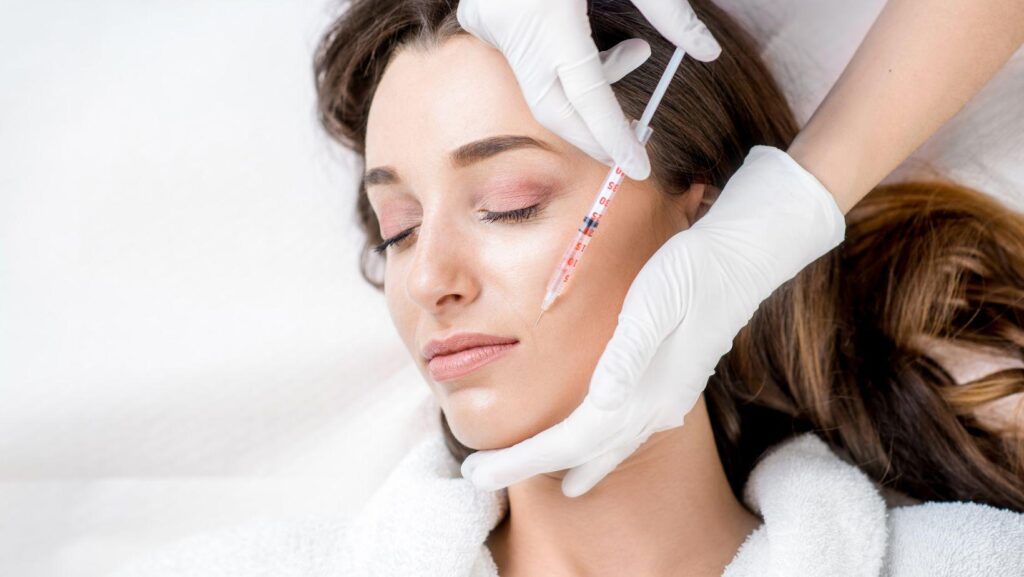
South Korea produces more botulinum toxin brands than any other country outside the United States. Multiple Korean neurotoxins now hold formal regulatory approvals across North America, Europe, China, and over 60 international markets. Whether you encountered terms like K-Tox at an aesthetic clinic or researched injectable treatments online, this comprehensive clinical guide breaks down what these products are, how they compare to Allergan Botox, which brands carry full U.S. FDA approval, and what published clinical data reveal regarding safety, pricing, and longevity.
Key Takeaways
- Korean Botox refers to botulinum toxin type A injectable products manufactured in South Korea by pharmaceutical leaders such as Hugel, Daewoong Pharmaceutical, Medytox, and Huons.
- As of 2026, only Jeuveau (FDA approved in February 2019) and Letybo (FDA approved on February 29, 2024) hold full U.S. FDA approval for cosmetic indications. Other Korean brands remain unauthorized for commercial cosmetic administration within the United States.
- Korean neurotoxins operate by blocking acetylcholine release at the neuromuscular junction, temporarily relaxing targeted muscles to smooth dynamic wrinkles, slim the masseter muscle, or reduce excessive sweating, with clinical longevity averaging 3 to 6 months.
- Injector technique, authentic distributor sourcing, cold-chain refrigeration (2 to 8 degrees Celsius), and precise dilution ratios govern treatment safety and aesthetic outcomes far more than the geographical origin of the vial.
- Korean botulinum toxins offer competitive pricing and are supported by extensive multi-center clinical trial data across Asia, South America, and Europe, establishing them as robust alternatives to traditional Western brands.
What Is Korean Botox? Definitions and Market Background
Korean Botox is a popular term for injectable neurotoxins formulated and manufactured in South Korea. These products belong to the exact same drug class as Allergan Botox (onabotulinumtoxinA). They contain purified botulinum toxin type A produced by the bacterium Clostridium botulinum, synthesized into a pharmaceutical-grade injectable neurotoxin.
South Korea’s medical aesthetics sector experienced exponential expansion in the early 2000s. Intense domestic demand for dynamic wrinkle reduction, non-surgical facial contouring, and jawline slimming motivated Korean pharmaceutical developers to create advanced domestic formulations. Consequently, South Korea maintains the highest concentration of commercial botulinum toxin type A manufacturers in the world.
How Korean Botox Works: The Neuromuscular Mechanism
All cosmetic botulinum toxin injections, regardless of whether manufactured in the United States, Europe, or South Korea, share an identical fundamental mechanism of action. Upon injection, the purified botulinum toxin type A protein targets cholinergic nerve endings and binds to cell surface receptors. The toxin enters the nerve terminal via endocytosis, where its light chain enzymatic component cleaves SNAP-25, a protein essential for neurotransmitter release.
Without functional SNAP-25, the nerve terminal cannot release acetylcholine into the synaptic cleft. Deprived of this chemical signal, the targeted muscle cannot contract, resulting in controlled, temporary relaxation. This muscular relaxation smoothes dynamic facial wrinkles caused by repetitive expressions, such as glabellar frown lines, forehead creases, crow’s feet, bunny lines, and chin dimpling.
Korean botulinum toxin formulations have undergone remarkable refinement over the last two decades. While the fundamental mechanism of SNAP-25 cleavage remains identical across major brands, subtle differences in protein purity, excipients, and reconstitution protocols allow clinicians to tailor treatments with high precision for natural expression preservation. — Dr. Min-Seok Park, Board-Certified Aesthetic Dermatologist
For structural adjustments like masseter jaw slimming, calf reduction, or shoulder line contouring, the biological effect manifests through disuse atrophy. By continuously dampening muscle contraction over consecutive treatment cycles, the muscle volume decreases naturally, refining lower facial contours without surgical intervention.
Variations among Korean brands and Western toxins center on formulation parameters: presence of complexing proteins, total inactive neurotoxin load, human serum albumin concentrations, and state of delivery (lyophilized powder versus pre-mixed liquid). Comparative biochemical analyses show slight variations in specific potency per picogram and diffusion radius, which can subtly influence onset speed and tissue spread without altering the core mechanism.
Regulatory Status and FDA Approvals in 2026
Regulatory authorization ensures that an injectable biopharmaceutical meets stringent national benchmarks for manufacturing consistency, purity, safety, and clinical efficacy. For patients and practitioners in the United States, FDA clearance represents the gold standard for regulatory approval.
|
Brand Name |
Manufacturer |
U.S. FDA Status (2026) |
Primary Approved Indications |
|
Jeuveau (PrabotulinumtoxinA) |
Daewoong Pharmaceutical / Evolus |
FDA Approved (February 2019) |
Moderate-to-severe glabellar lines in adults |
|
Letybo (LetibotulinumtoxinA) |
Hugel Inc. |
FDA Approved (February 29, 2024) |
Moderate-to-severe glabellar lines in adults |
|
Botulax |
Hugel Inc. |
Non-FDA Approved (Approved by KFDA/MFDS) |
Glabellar lines, pediatric spasticity (Korea/EU) |
|
Neuronox / Meditoxin |
Medytox Inc. |
Non-FDA Approved (Approved by KFDA/MFDS) |
Facial wrinkles, blepharospasm, spasticity |
|
Innotox |
Medytox Inc. |
Non-FDA Approved (Approved by KFDA/MFDS) |
Dynamic facial lines (Liquid premix formulation) |
|
Coretox |
Medytox Inc. |
Non-FDA Approved (Approved by KFDA/MFDS) |
Facial wrinkles (Low immunogenicity formulation) |
|
Liztox / Wondertox |
Huons Biopharma |
Non-FDA Approved (Approved by KFDA/MFDS) |
Glabellar and crow’s feet lines (Korea) |
Administering non-FDA-approved neurotoxins within the United States is illegal outside of authorized IRB-approved clinical trials. Patients receiving treatments in North America should explicitly verify that their injector utilizes FDA-authorized formulations acquired through certified pharmaceutical distributors.
Major Korean Botox Brands Overview
Several domestic manufacturers drive South Korea’s global aesthetic export footprint. In practitioner surveys conducted among South Korean dermatologists, domestic brands account for over 85% of total clinical neurotoxin administration, with Allergan Botox occupying a smaller market share due to cost differentials and comparable efficacy.
Letybo (Hugel)
Letybo, produced by Hugel Inc., achieved official U.S. FDA clearance on February 29, 2024, supported by data from three multi-center, randomized Phase III clinical trials (BLESS I, II, and III) involving 1,271 adult participants. Letybo is available in 50-unit and 100-unit freeze-dried vials. Having distributed over 26 million vials across 60+ countries, Hugel maintains a dominant market share in Asia and Europe.
Jeuveau and Nabota (Daewoong Pharmaceutical)
Manufactured by Daewoong under the proprietary strain name Nabota, this formulation entered the U.S. market in 2019 under the brand name Jeuveau. Utilizing Hi-Pure technology, Jeuveau achieves a purification profile exceeding 98%. Phase III comparative studies demonstrated a 93.6% primary responder rate at week 4 for glabellar line severity reduction.
Botulax (Hugel)
Botulax is Hugel’s flagship domestic brand, widely used across South Korea, South America, and Southeast Asia. Beyond cosmetic dynamic line treatment, Botulax holds medical therapeutic approvals for post-stroke upper limb spasticity, backed by double-blind clinical trials proving non-inferiority to Allergan Botox.
Neuronox and Meditoxin (Medytox)
As one of South Korea’s pioneer botulinum toxin products (MFDS approved in 2006), Meditoxin (marketed internationally as Neuronox) utilizes the historic Hall strain of Clostridium botulinum. It features extensive long-term clinical safety documentation across dynamic facial rejuvenation, essential blepharospasm, and cerebral palsy equine foot deformity.
Innotox (Medytox)
Innotox represents a technological milestone as the world’s first liquid-formulation botulinum toxin type A. Requiring no saline reconstitution, it eliminates practitioner dilution variances. Its formula excludes human serum albumin and animal-derived protein components, reducing immunogenicity risks.
Coretox (Medytox)
Coretox is engineered to minimize antibody formation by removing complexing proteins, leaving only the pure 150kDa active neurotoxin molecule. It contains no animal-derived raw materials or human serum albumin, making it an ideal option for patients requiring repeated high-dose treatments.
Liztox and Wondertox (Huons Biopharma)
Produced by Huons, Liztox and Wondertox are high-purity lyophilized powders approved for glabellar lines and crow’s feet. They are widely utilized in regional Asian markets due to consistent batch stability and rapid clinical onset.
Regional Brands: Rentox, Metox, and Toxta
Smaller regional brands like Rentox, Metox, and Toxta cater to local Asian and Eastern European markets. While less documented in Western peer-reviewed literature, they follow standard manufacturing protocols for dynamic wrinkle relaxation.
Korean Botox vs. American Botox: Detailed Comparison
Evaluating Korean neurotoxins against American mainstays (such as Allergan Botox, Dysport, Xeomin, and Daxxify) requires examining molecular weight, complexing protein structures, unit potency equivalence, and clinical performance.
|
Comparison Metric |
Korean Botox Brands (e.g., Letybo, Jeuveau) |
American Botox (OnabotulinumtoxinA) |
|
Active Molecule |
Botulinum Toxin Type A (150kDa core) |
Botulinum Toxin Type A (150kDa core) |
|
Complexing Proteins |
Varies (Present in Letybo/Jeuveau; absent in Coretox/Innotox) |
Present (900kDa protein complex) |
|
FDA Approval Status |
Jeuveau (2019), Letybo (2024) |
Approved (Cosmetic approval in 2002) |
|
Standard Glabellar Dose |
20 Units (5 injection sites) |
20 Units (5 injection sites) |
|
Average Clinical Onset |
2 to 4 days (Peak at 14 days) |
3 to 5 days (Peak at 14 days) |
|
Duration of Effect |
3 to 6 months |
3 to 4 months |
|
Wholesale & Treatment Cost |
Cost-competitive ($8 – $12 / unit avg.) |
Premium pricing ($12 – $20 / unit avg.) |
Potency units are brand-specific and non-interchangeable; however, clinical trials confirm that 20 units of Jeuveau or Letybo yield clinical efficacy and duration profiles equivalent to 20 units of Allergan Botox when treating moderate-to-severe glabellar lines. In a double-blind Phase III study, Nabota/Jeuveau maintained a 62.1% responder rate at week 16 compared to 54.6% for Allergan Botox, with comparable adverse event incidence.
When comparing high-purity Korean neurotoxins to classic American toxins, the onset speed and diffusion profiles are remarkably similar. For patients, the most noticeable difference is often treatment affordability rather than clinical performance. — Dr. Elena Rostova, Aesthetic Medicine Specialist
Clinical Indications and K-Beauty Injection Philosophy
Korean clinical protocols differ subtly from traditional Western aesthetic approaches. Western cosmetic neurotoxin applications often focus on full muscle immobilization to flatten deep wrinkles. Conversely, K-Beauty aesthetic philosophy emphasizes micro-dosing and targeted anatomical placement to maintain natural facial mobility and soft expression dynamics.
Common aesthetic applications for Korean neurotoxins include:
- Glabellar Frown Lines and Horizontal Forehead Wrinkles: Smoothing expressive upper-face creases while preserving natural eyebrow elevation.
- Periorbital Crow’s Feet and Infraorbital Fine Lines: Softening eye creases without compromising warm smile expressions.
- Masseter Muscle Reduction (V-Line Jaw Slimming): Injecting the masseter muscle to treat teeth grinding (bruxism) and slim lower facial contours over time.
- Micro-Botox / Skin Tox: Intradermal micro-injections of highly diluted neurotoxin across the T-zone to shrink pore size, regulate sebum production, and improve skin texture.
- Nefertiti Lift and Platysmal Bands: Relaxing vertical neck bands to refine the jawline boundary.
- Therapeutic Applications: Treating axillary hyperhidrosis (excessive sweating), chronic migraine, cervical dystonia, and spasticity.
Longevity, Effectiveness, and Clinical Trials
The visible smoothing effects of Korean botulinum toxin injections typically appear between 48 and 96 hours post-treatment, reaching full maturation by day 14. Biological activity persists for 3 to 6 months, matching international standards.
Factors influencing treatment duration include:
- Administered Unit Dosage: Sub-therapeutic dosing reduces longevity; adequate dosing ensures target receptor saturation.
- Metabolic Rate and Muscle Mass: Hypermetabolic individuals or patients with hyper-developed facial anatomy clear motor endplate blockages faster.
- Injection Interval Frequency: Regular treatment intervals every 4 to 6 months prevent complete muscle recovery, extending visible smoother results over successive visits.
Safety Profile, Side Effects, and Clinic Selection
When manufactured under stringent Good Manufacturing Practice (GMP) standards, properly refrigerated, and injected by qualified healthcare professionals, Korean neurotoxins exhibit safety profiles comparable to Western counterparts.
Mild, transient side effects occurring at injection sites include:
- Localized erythema (redness) and mild edema (swelling)
- Minor localized bruising
- Transient tension headache during the first 24 to 48 hours
Rare, technique-dependent complications include eyelid ptosis (drooping), eyebrow asymmetry, or diplopia (double vision). These events stem from unintentional local neurotoxin diffusion into non-targeted adjacent muscles, emphasizing the vital importance of injector competence.
The primary safety concern with foreign neurotoxins in domestic markets is not the drug formulation itself, but rather gray-market distribution and improper handling. Ensuring strict cold-chain storage and sourcing through FDA-authorized channels is paramount for safety and optimal therapeutic outcomes. — Dr. James Choi, Board-Certified Plastic Surgeon
Essential criteria for selecting a trustworthy clinic:
- Board Certification: Verify that your practitioner is a licensed dermatologist, plastic surgeon, or trained aesthetic physician.
- Transparent Brand Disclosure: Ensure the clinic explicitly identifies the product brand, presents the unopened vial, and confirms official FDA or national regulatory approval.
- Cold-Chain Storage Compliance: Confirm that vials are refrigerated between 2 and 8 degrees Celsius continuously prior to reconstitution.
Pricing Analysis: Korean vs. American Neurotoxins
The global popularity of Korean neurotoxins is driven in part by cost efficiency. Optimized pharmaceutical manufacturing in South Korea allows manufacturers to offer competitive wholesale pricing without compromising purity.
|
Treatment Area |
Average Units Required |
Korean Toxin Cost Range (USD) |
American Toxin Cost Range (USD) |
|
Glabellar Lines (Frown) |
20 to 30 Units |
$150 – $300 |
$250 – $450 |
|
Forehead Wrinkles |
10 to 20 Units |
$100 – $200 |
$150 – $300 |
|
Periorbital Crow’s Feet |
12 to 24 Units |
$120 – $250 |
$200 – $350 |
|
Masseter Jaw Slimming |
40 to 80 Units |
$300 – $600 |
$500 – $900 |
|
Full Lower Face / Neck |
50 to 100 Units |
$400 – $800 |
$600 – $1,200 |
Pricing varies based on geographic region, clinic reputation, and injector expertise. While lower per-unit pricing makes comprehensive facial rejuvenation more accessible, patients should avoid clinics advertising deeply discounted treatments with unverified product labels.
Technological Innovations in K-Tox Formulations
Korean biopharmaceutical research has introduced key technological advancements to the neurotoxin sector:
- Ready-to-Use Liquid Toxins: Formulations such as Innotox eliminate saline reconstitution, removing human dilution errors and maintaining consistent concentration across every syringe.
- Human Serum Albumin-Free Formulations: Removing animal components and human serum albumin minimizes potential foreign protein reactions and immunogenicity.
- Zero-Complexing Protein Purification: Isolating the pure 150kDa active neurotoxin molecule reduces secondary antibody generation, benefiting patients receiving high-dose therapeutic treatments over extended years.
Who Should Consider Korean Botox Brands?
Korean neurotoxin formulations present an excellent option for:
- Cost-Conscious Patients: Individuals seeking high-purity, clinically proven dynamic line treatments at an accessible price point.
- K-Beauty Enthusiasts: Patients desiring subtle, natural expression preservation and delicate lower-face contouring.
- Patients Seeking Advanced Formulations: Candidates interested in pre-mixed liquid stability (Innotox) or low-immunogenicity profiles (Coretox).
- High-Volume Treatment Candidates: Patients undergoing masseter reduction, body contouring, or hyperhidrosis protocols requiring higher overall unit dosages.
Final Clinical Summary
Korean botulinum toxin products represent scientifically validated, high-purity alternatives to traditional Western neurotoxins. With FDA-approved formulations like Jeuveau and Letybo establishing a strong presence in North America alongside widespread international reliance on Botulax and Meditoxin, K-Tox offers clinical reliability and cost efficiency. Optimal treatment outcomes depend on selecting a licensed, experienced injector who utilizes authentic, properly stored formulations tailored to your unique anatomical goals.
Reference List
- Daewoong Pharmaceutical. Clinical Efficacy and Safety of PrabotulinumtoxinA (Jeuveau) for Glabellar Lines: Phase III Study Results. https://pubmed.ncbi.nlm.nih.gov
- Hugel Inc. Letybo (LetibotulinumtoxinA) BLESS Clinical Trial Program Summary and FDA Approval. https://www.fda.gov
- Medytox Inc. Comparative Analysis of Complexing Proteins and Potency in Botulinum Toxin Formulations. https://www.ncbi.nlm.nih.gov/pmc
- Korean Dermatological Association. Practice Patterns and Brand Utilization of Botulinum Toxin Among Aesthetic Practitioners. https://www.koreamed.org
- U.S. Food and Drug Administration. FDA Approves Letybo for Moderate-to-Severe Glabellar Lines. https://www.fda.gov