
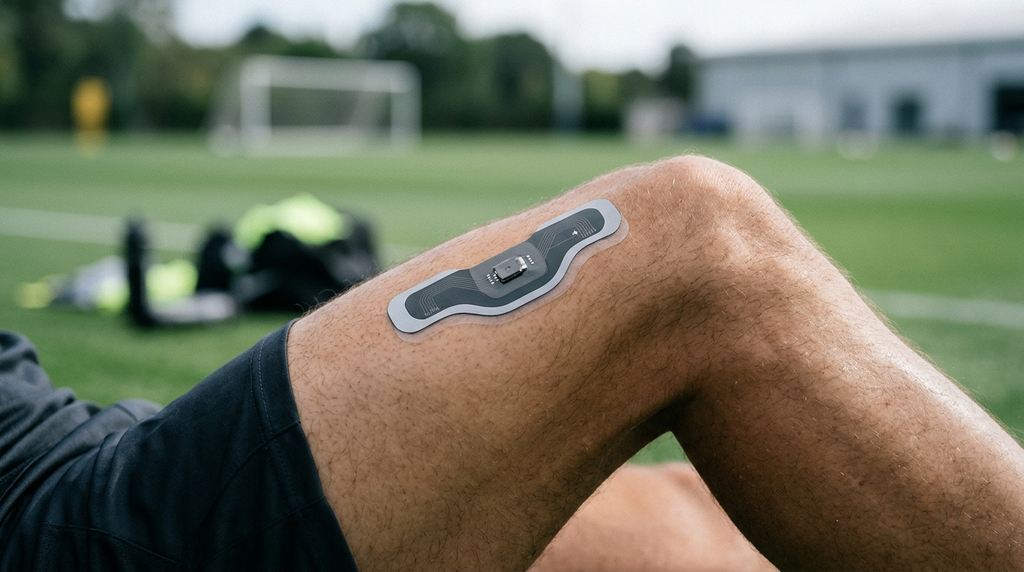
Every injured footballer still gets paid. That simple fact sits at the heart of modern injury prevention in football. Insurance broker Howden calculates that Premier League clubs paid more than £1 billion in wages to injured players over five seasons, an average of almost £238 million a year. When that kind of money is going to players who can’t play, it’s no surprise the smartest clubs have started putting their effort into keeping players fit instead of fixing them afterwards.
The shift is visible everywhere, from pre-training warm-ups to the size of medical and sports science departments. Fans see the results too: injury lists on stats apps, club updates and platforms like Parimatch can change the whole picture of a match days before kick-off. Behind each absence there’s a real cost in wages, results and sometimes the league table. So it’s worth looking at what prevention actually involves and why it pays off.
The Real Cost Behind Injury Prevention in Football
The case for injury prevention in football starts with the numbers. According to Howden’s latest injury index, the top five European leagues recorded 22,596 injuries across five seasons, costing clubs roughly €3.45 billion, or about €690 million a year. In 2024/25 alone, the Premier League had 957 injuries with an estimated cost of €285.7 million, the highest in Europe.
Germany saw the most injuries that season, 1,197, while Ligue 1 recorded the lowest economic impact with 483 injuries and €58.4 million. Serie A showed a worrying trend, with injuries rising 24% to 858 after several years of steady decline.
| League (2024/25) | Injuries | Estimated cost |
| Premier League | 957 | €285.7m |
| Bundesliga | 1,197 | not the highest |
| Serie A | 858 (+24%) | €103.1m |
| Ligue 1 | 483 | €58.4m |
Example. In 2024/25 champions Liverpool recorded injury costs of about €14.73 million, compared with roughly €41.22 million at third-placed Manchester City. Howden suggests a lower rate of long-term injuries to the club’s highest-paid players may explain part of that gap.
Why Prevention Beats Treatment
Prevention is cheaper because injuries are expensive in more ways than one. There’s the wage bill for a player sitting in the stands, the cost of a replacement, and the harder-to-measure price of points lost while the best players are missing. Over five seasons, Manchester United’s injury cost reached £154.51 million.
Young players are a growing concern. Howden found that Premier League forwards under 21 picked up an injury every 120 minutes of competitive domestic football. For clubs that invest heavily in young talent, protecting those players is protecting an asset.
Hamstrings are the most common problem. A long-running UEFA Elite Club Injury Study found hamstring injuries in men’s professional football had been rising by about 4% a year since 2001. A typical squad of 25 players can expect five or six of them each season.
What Prevention Actually Looks Like
The good news is that some of the most effective methods are remarkably simple. The best known is FIFA 11+, a structured warm-up developed in 2006 by FIFA’s medical research centre together with the Oslo Sports Trauma Research Center and a sports medicine clinic in Santa Monica.
The evidence behind it is solid. One meta-analysis of six randomised trials found that FIFA 11+ cut injury risk by 30%: 24% of players in the intervention groups were injured, against 40% in the control groups. Another review, published in the British Journal of Sports Medicine, put the reduction at 39%.
Important. Most FIFA 11+ trials were carried out with recreational and sub-elite players. Elite clubs use the same principles but adapt them heavily to their own players and schedules.
The other star of prevention is the Nordic hamstring exercise. A 2019 analysis of 15 studies and 8,459 athletes concluded that programmes including it reduce hamstring injuries by up to 51%, essentially halving the rate. Three large trials showed reductions of around 70% when teams built it into regular training.
The core building blocks of a modern prevention programme:
- structured warm-ups such as FIFA 11+;
- eccentric strength work like the Nordic hamstring exercise;
- careful load management and rotation in congested periods;
- regular screening to catch weaknesses or imbalances early;
- recovery work, including sleep, nutrition and individual monitoring.
The Adoption Gap
Here’s the strange part. Despite the evidence, prevention isn’t always used as widely as it could be. A survey published under the title “Evidence-based hamstring injury prevention is not adopted by the majority of Champions League or Norwegian Premier League football teams” showed how slowly science can travel into dressing rooms.
There are reasons for that. Some players dislike the exercises because they cause soreness, coaches worry about tiredness before matches, and a packed calendar leaves little time for anything except recovery and tactics. The clubs that do commit to prevention tend to be the ones with strong medical departments and backing from the very top.
Sports Technology and Digital Platforms
Sports technology has turned prevention into a data-driven process. GPS vests track every sprint, wellness questionnaires flag poor sleep or soreness, and force plates measure strength imbalances before they become injuries. Staff can spot a red flag in the morning and adjust a player’s training the same afternoon.
The same information spreads outside the club too. Injury lists and minutes played are easy to follow on Flashscore and Sofascore, and analysts sometimes check Oddsportal’s odds history to see how markets reacted to news of a key absence. The convenience of these digital platforms means a hamstring strain at a Tuesday session can reshape expectations for Saturday within hours.
Expert tip. Sports scientists often say the most valuable data point isn’t a single sprint speed but the trend over weeks. Sudden spikes in workload, compared with what a player is used to, are one of the clearest warning signs that an injury may be coming.
Questions and Answers
Does prevention really save money?
The logic is straightforward. Wages to injured players run into hundreds of millions each season, so even a modest drop in injuries can be worth far more than the cost of extra staff and equipment.
Can every injury be prevented?
No. Contact injuries, like a bad tackle, are largely out of a club’s control. Prevention mostly targets non-contact muscle injuries, which are also among the most common.
Are these methods useful for amateur players?
Yes, and in fact most of the research on FIFA 11+ was done at amateur and sub-elite level. A good warm-up is one of the cheapest ways for any team to reduce injuries.
In the end, the smartest medical departments measure their success by the injuries that never happen. That’s a hard thing to celebrate on a matchday, but it shows up in the wage bill, the treatment room and, often, the final league table.