
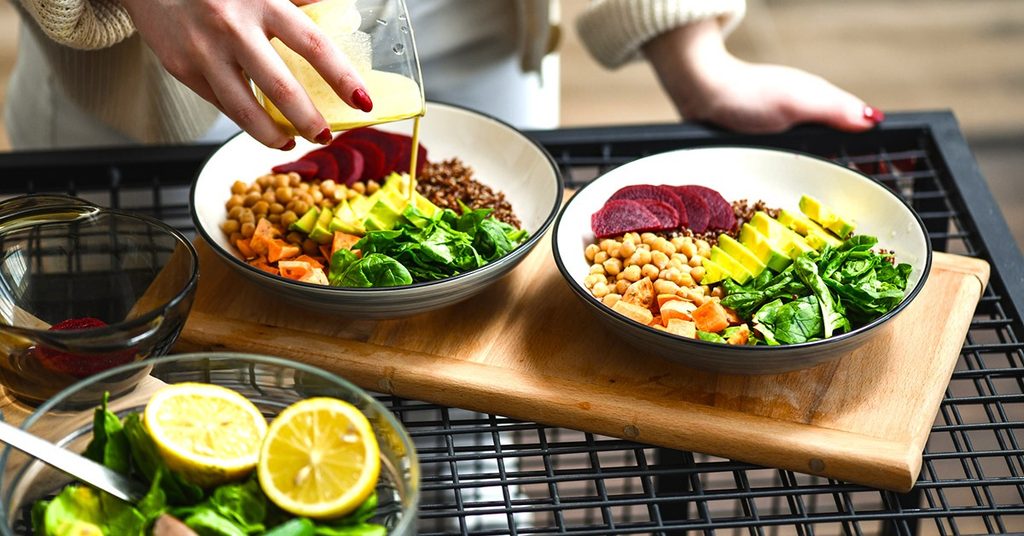
Tirzepatide treatment can impact your appetite, eating and drinking. This medicine maintains blood sugar levels and causes a feeling of being full in between meals. Eating less doesn’t necessarily mean you’re getting the right nutrients.
Protein, fibre, healthy fats and vitamins are still essential for the body. Nausea, constipation, fatigue, and indigestion can worsen after eating. A balanced meal plan helps maintain energy levels and supports healthy weight management.
Eating healthy also helps maintain muscle mass while losing weight. Also, smaller meals and a consistent eating routine may make treatment more comfortable. A healthy diet is a crucial aspect of Tirzepatide treatment success.Planning Meals During Tirzepatide Treatment
Let’s take a look at 6 practical tips for planning healthy meals while on tirzepatide.
Choosing High Protein-Rich Foods to Preserve Muscle Mass
It’s particularly important to get enough protein when tirzepatide decreases your appetite. When you experience a quick weight loss, it can be both muscle and body fat. This process of weight management can help to maintain the tissue of the muscle by taking adequate protein.
Choose lean protein, like chicken breast, turkey, fish and eggs. Other sources of protein include Greek yogurt, cottage cheese, tofu and lentils. These foods are a good source of the essential amino acids that are key to repairing and maintaining muscle tissue.
Make sure that you have a protein source with each meal all day. Have scrambled eggs, whole grain toast and plain greek yogurt for breakfast. Grilled chicken, steamed vegetables and a small portion of quinoa may be included in lunch.
Including Fiber-Rich Foods to Support Digestive Health
Tirzepatide may affect how quickly food moves through your stomach and intestines which could lead to digestion problems such as diarrhea.
Fiber can help with regular bowel movements and helps maintain the well-being of the digestive system. Some of the best foods that contain fiber are oatmeal, berries, lentils, apples and the leafy greens.
Other sources of fiber include beans, whole grain pastas and chia seeds. But increasing fiber too quickly can cause gas, bloating and discomfort. Try to introduce fiber foods one at a time and see how you feel to determine those you can tolerate.
Raw salad and fibre foods should be easier to digest than cooked vegetables. If the system is filled with lots of water, then the fiber should move easily through the system.
Planning Small, Balanced Meals for Better Nutrient Intake
Tirzepatide may cause the normal amount of food to seem quite substantial in regular meals. Sitting down to smaller meals will help maintain stability in daily eating intake as well as better comfort level. Change 3 large meals for 4 or 5 small meals.
A protein with nutritious carbohydrates must be provided in every serving. Incorporate healthy fats and vegetables, as tolerated.
A breakfast, for instance, could be made up of a few berries, oatmeal and eggs. Grilled turkey, brown rice and carrots may be included as a midday meal. Later, have some plain greek yogurt with sliced fruit as a snack. Mashed sweet potatoes with cooked spinach and baked fish are options for dinner.
Choosing Healthy Fats and Complex Carbohydrates for Lasting Energy
There’s a chance that your treatment will cause you to become more tired. Complex carbohydrates include energy and essential food nutrients. Include 2 or more servings of whole grains such as oats, rice, quinoa, bread and sweet potato in your meals at least twice a week.
They are also a good source of complex carbohydrates as well as good sources of important B vitamins and fiber. Unsaturated fats such as avocados, almonds and walnuts and extra virgin olive oil are also awesome.
Fatty and large meals are definitely not great for your stomach and digestion. However, opt for grilled chicken and vegetables and quinoa for a refreshing and healthy lunch. Add in some avocado or extra virgin olive oil.
Prioritizing Suitable Foods to Maintain Digestive Balance
Common side effects of tirzepatide include stomach pain, bloating and nausea. These side effects can be caused by a heavy meal. Some food and drinks can exacerbate these symptoms.
Certain types of food, such as burgers, creamy sauces and greasy chicken, may cause side effects. Some people may find very spicy food to be unpleasant. Eat foods that don’t need a lot of preparation. They can be slow cooked, grilled, stir fried or baked.
When you have that queasy feeling in the pit of your stomach, you’re sending a clear message from your body that something is wrong, and that you need to stop eating for a while.
Adjusting Portion Sizes as Appetite and Tolerance Change
Appetite may increase or decrease during treatment, particularly after a certain dose of medication has been prescribed. The same portion of a food that was fine on one day might not be fine the next.
Eat smaller portions, and increase food if needed if you are hungry. For instance, a half sandwich can be eaten with a bowl of vegetables. If you have a big enough appetite, you can always eat more.
Don’t overeat to make up for a “normal” diet. However, when you are eating less regularly, it’s easier to be deficient in nutrients. If you’re not eating because you have reduced appetite, concentrate on increasing the amount of protein and foods that are high in other nutrients.
Adapting Meal Timing Around Treatment and Daily Routines
Use of tirzepatide is typically given once a week, with instructions from your health care provider. This doesn’t require a set schedule for eating meals, just so long as they are positioned appropriately in relation to injection days. But symptoms of appetite and digestion can vary during the treatment week.
Others experience more nausea at their initial dose or if they increase their dose. Trying to eat smaller meals at not so favorite hours may make it taste better.
Have a small serving of protein and carbs at breakfast time. Get ready for simple lunches on hectic days to make sure you don’t skip meals. Have easy-to-grab, healthy snacks on hand, such as yogurt, fruit or boiled eggs.
Also take in lots of fluids during the day, particularly warm days. People who use insulin or sulfonylureas should talk to their health care providers before making dietary changes. Some medicines can interact, making it more likely to lower blood sugar too much.
Conclusion
Emphasizing healthy eating while taking tirzepatide can help you feel better and stay healthier. Small meals of protein, fiber and other nutritious food can be served. Eat the nutrients your body requires with fresh fruit, vegetables and whole grains.