
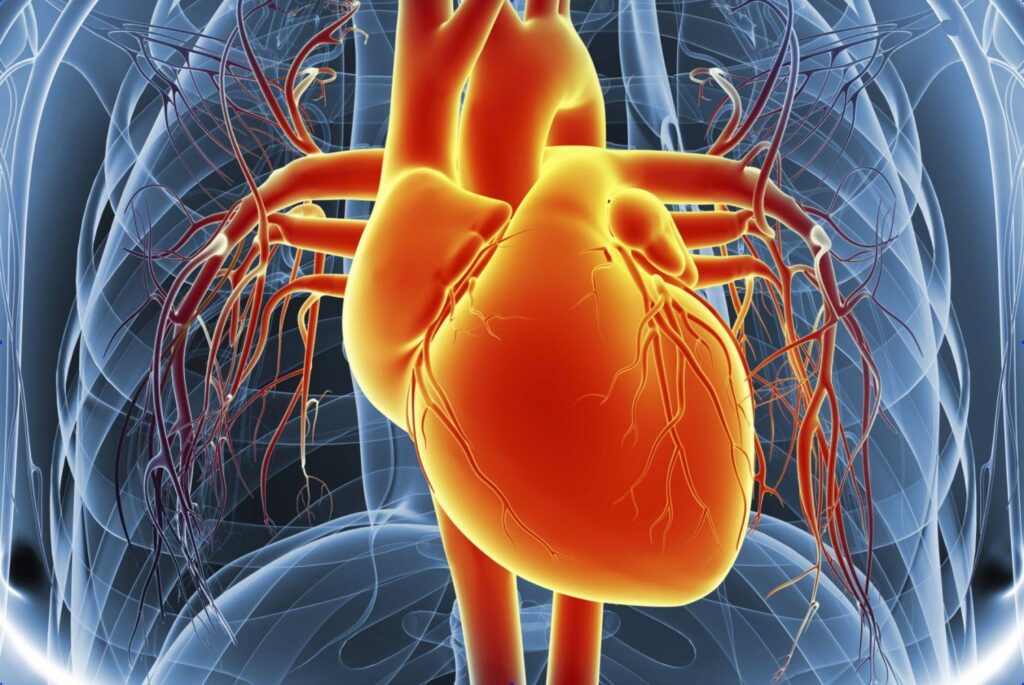
Cardiovascular disease is one of the most prevalent health issues that millions of people are living with as poor lifestyle choices are increasing our risks of developing heart problems. According to the World Heart Federation, around 1.4 billion adults worldwide have hypertension or high blood pressure, and this health condition may lead to other associated diseases such as heart failure or stroke. Factors like age and family history can have a strong influence on your heart health, but so do your eating habits, level of physical activity, and alcohol intake.
Most people think that heart disease is one of the inevitable effects of growing older. However, there are ways to reduce the risk of cardiac health problems, and in some cases, you can even reverse it by adopting heart-healthy habits. If a lifestyle overhaul seems daunting, don’t fret. Even small, easily achievable actions can help to prevent heart disease and lead to long-term improvements in cardiovascular health. Here are some micro-habits to start fighting heart disease today.
Try Exercise Snacking
Heart disease should be taken seriously since it means spending a significant amount of money on medication, diagnostic tests, and frequent doctor visits. You may also have to deal with emergency care treatments, such as stenting, bypass surgery, or a cardioversion procedure, which is a treatment to correct an abnormally fast or irregular heartbeat. Managing heart conditions with medical treatments and medication can help to reduce symptoms like pain and fatigue and prevent permanent heart damage. But as the saying goes, an ounce of prevention is better than a pound of cure, so take steps to minimize risks by incorporating movement into your daily routine.
No time to go to the gym? No problem. Try doing exercise snacks, which are short bursts of intensive exercise done throughout the day. A study has found that people with sedentary lifestyles who want to improve their heart health may benefit from doing intense exercise even for just a few minutes every day. The research involved having sedentary young adults vigorously climb three flights of stairs for 30 seconds, three times per day. After six weeks, the participants showed signs of significantly improved cardiorespiratory fitness, which is linked to reduced cardiovascular disease risk.
The findings show that even a few minutes spent doing intense, intentional movement can be beneficial for cardiac health, so try incorporating vigorous activity into your day to improve blood flow and lower blood pressure without having to go to the gym. You can do stair sprints to get your heart rate up, or do desk or wall push ups during your break. You can also take one to two minutes to jump rope, do jumping jacks, or dance to music. After meals, go on a 5 to 10-minute walk, then keep it light to moderate before bedtime by doing gentle stretches to allow your body to calm down.
Make Small Changes to Your Diet
Food plays a key role in cardiovascular health. However, going on a strict diet after years of indulgent eating can create stress for the mind and body since this approach can lead to feelings of deprivation, which may cause overeating or bingeing later on. Instead of drastically changing the way you eat, make small changes to your diet, focusing on improving heart health. For instance, instead of cooking food with butter, try using extra virgin olive oil, which has anti-oxidants and anti-inflammatory properties that are proven to lower blood pressure.
You may also consider adding one extra heart-healthy fruit or vegetable to your plate at every meal. Top choices for cardiovascular health include dark leafy greens like spinach or kale, berries, citrus fruits, tomatoes, avocados, black beans, and sweet potatoes. Also, if you’re at a cocktail party or any event where liquor is served, have a glass of red wine instead of hard liquor. Studies show that drinking moderate amounts of red wine may reduce heart disease risk since it can increase ‘good’ cholesterol levels. Choose a dry red wine like Pinot Noir, Cabernet Sauvignon, or Merlot, as these have high levels of resveratrol, which may protect against cardiovascular problems. Keep servings to no more than five ounces and only one glass per day.
Reduce Stress
Stress can cause short-term spikes in blood pressure, which may lead to long-term hypertension. To prevent heart problems, prioritize stress management throughout the day. While sitting in traffic, take slow, deep breaths to calm down and reduce road-related stress. During breaks, take five minutes outside without a phone to appreciate the views and your surroundings. At night, avoid doom scrolling since negative content can keep your brain alert and anxious. Instead, play soothing music to help you unwind, and do breathing exercises to lower your heart rate and blood pressure.
Small lifestyle changes can do much to improve your heart health. Consider these micro-habits for sustainable ways to reduce your risks of heart disease and enhance your quality of life. If you’re experiencing symptoms like palpitations, chest pains, dizziness, or shortness of breath, consult your doctor for proper diagnosis and treatment.