
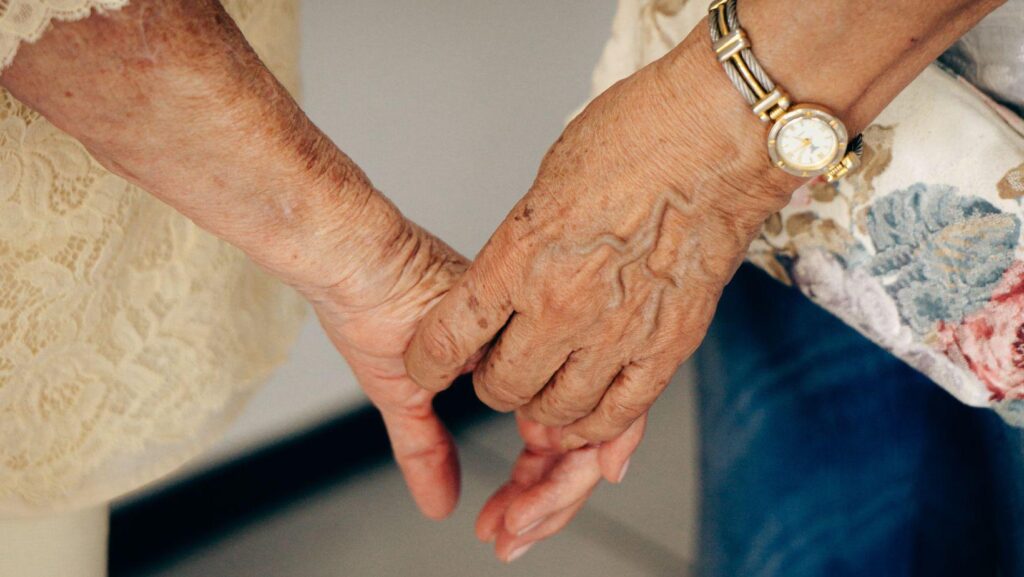
Is your home quietly setting a trap for the people you love?
Falling is the leading cause of injury for adults over 65. And most occur where people feel safest of all… At Home.
Falls are frighteningly common. In 2024, 43,020 older adults died from falls. That's not even counting the millions more who visited the ER.
Here's the good news:
You can prevent most of these falls with just a few simple modifications. All you need to do is know where the risks lie.
Time to jump in!
Here's what's inside:
Why Falls Are So Dangerous For Older Adults
Tripping at age 30 can get you a bruise. Tripping at age 75 can ruin your life.
Why? Bones weaken, balance becomes shaky and reaction times decrease with age. Tripping over a rug can result in a broken hip.
More than 1 in 4 older adults fall every year. And here's the kicker…
According to the CDC, falling once doubles your chances of falling again.
The problem is worsening. Fall deaths among older adults have increased by 51% in the past decade. ER visits have also increased. Almost 3.85 million older adults visited emergency departments due to fall-related injuries in one year.
FALLING IS NOT NORMAL AS PEOPLE AGE.
FALLING CAN BE PREVENTED.
When A Fall Turns Into A Premises Liability Claim
Not every fall happens at home.
Seniors slip and fall at retail stores, rental properties and assisted living facilities also. Who is liable?
That's where a premises liability claim comes into play. Property owners have a responsibility to maintain their premises in a reasonably safe condition for visitors. If an elderly person falls due to a broken stair, unmarked wet floor or a dimly lit stairway the owner was aware of… the owner could be liable for the fall. Many families who find themselves dealing with a serious fall will discuss with Max G. Arnold injury attorneys whether the hazard, property owner's knowledge and the injury resulting from the fall warrants a premises liability claim.
Pretty important, right?
The best fall is the one that doesn't occur. So here's how to avoid it.
7x Simple Ways To Fall-Proof Every Room
Every room presents its own hazards. Go through them individually and danger plummets.
Clear The Walkways
Clutter is the silent enemy of good balance.
Shoes, cords and pet toys all wind up on the floor. They're all tripping hazards.
Walk through each room and ask yourself one question. Does it flow from door to door?
If not, move something. Tape cords down to the wall. Hang shoes on a rack. Keep your hallways completely clear.
Get Rid Of Loose Rugs
Throw rugs are attractive. However, throw rugs are one of the leading causes of home falls.
Edges curl up. They slide on tile floors. They gouge the toe of your shoe at the most inopportune time.
Ideally, they should be removed altogether. If the rug cannot be taken up, put double sided tape or a non-slip pad under it to secure it.
Light Up Every Corner
Lots of falls happen when people simply can't see where they're going.
Picture yourself going to the bathroom at 2am. It's pitch black. You can't see where you're going because you're half asleep. disaster waiting to happen.
Here's how to fix it:
Motion sensor lights are awesome. No one has to search for a light switch in the dark.
Make The Bathroom Safer
The bathroom is one of the most dangerous rooms in the house.
Slippery floors, hard surfaces and bathtub that requires a huge step over. Every little thing counts.
Start with these upgrades:
Tip: Do not install a grab bar using a towel rack. Towel racks are not designed to support body weight and can tear through the wall.
Fix The Stairs
Stairs are where some of the most serious falls happen.
Handrails are required on each side of every stairway in the house. They should be securely fastened and span the entire length of stairs.
Inspect every step for loose carpet and chipped edges. Running bright tape along the edge of each step will aid weary eyes in seeing where one step ends and the next begins.
Keep Everyday Items Within Reach
This one is simple but so often ignored…
Stretching up high or bending down low unbalances you. Standing on a chair to reach a pan on the top shelf could cause you to fall.
Store everyday items on shelves that are at waist-to-shoulder height. If you need a step stool, make sure it is strong and has a handle.
Check Health And Footwear
Not every risk is in the house itself.
Certain medicines make you dizzy. If you have poor vision, you cannot see dangers. If your legs are weak, you cannot steady yourself.
Schedule an annual eye exam. Get a physician to review all prescriptions. Doing easy balance exercises such as Tai Chi can help greatly.
And remember shoes. Backless slippers and socks on hardwood floors are dangerous. Shoes with non-skid bottoms and a closed back are always preferable.
How To Keep The Home Safe Long Term
Fall-proofing is not a one-time job.
Homes change. Health changes. Clutter builds up.
The simplest way to keep up with this is to do a brief safety walk- thru every couple of months. LOOK FOR:
It takes 15 minutes. And it could prevent a life-changing injury.
Putting It All Together
Falls are among the leading threats facing older adults. However, falls are also among the most preventable.
To quickly recap:
Begin with your highest risk room and build from there. Making small adjustments now can ensure your loved ones stay safe, independent and in their home for years to come.