
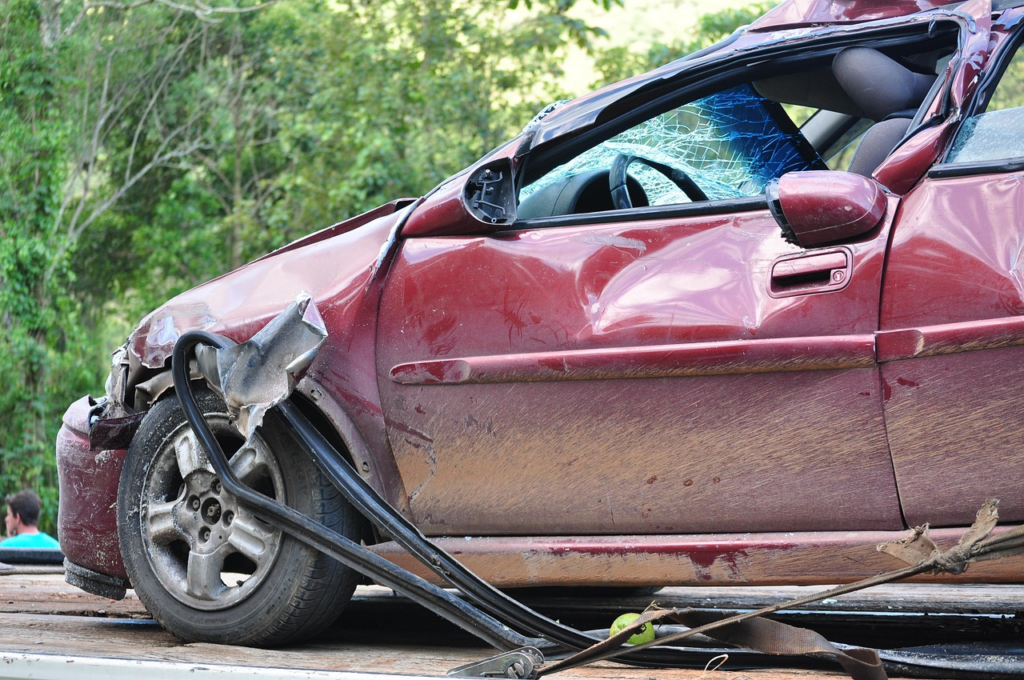
A car crash takes about three seconds.
The damage can last thirty years.
That's what NO ONE thinks about at the scene of the accident. Your car gets towed away. The police write up their report. People drive off saying they are "fine"… And six months later come the headaches. The back pain that won't go away. Medical bills pile up in your mailbox.
Here's the problem:
The majority of individuals resolve their claim before the extent of the injury is known.
What's covered inside:
Why Crash Injuries Get Worse Over Time
Adrenaline is a liar.
After an accident your body is flooded with it and it numbs you from the pain for hours or days. That's how people can refuse the ambulance, drive themselves home and wait weeks to book a doctor's appointment when something is obviously wrong.
By now there are usually two developments. The insurance company has already made you an offer. And the paper trail leading back from those symptoms to the crash has gone cold.
That's where hiring seasoned auto accident lawyers can help. They see delayed-onset injuries every week. They know a "minor" fender bender can lead to two years of physical therapy. They also know that a quick cheque today can mean someone else paying for treatment out of pocket for years to come. So how can an auto accident lawyer help you when the worst symptoms don't show up for days, weeks or months? By ensuring the claim takes the future into consideration, not just the visit to the emergency room.
Now let's look at what that future can actually look like.
The Physical Damage That Sticks Around
Crash injuries are nothing if not prevalent. According to data from the NHTSA, about 1.7 million people sustain injuries in police-reported crashes during one given year throughout the United States. What that number doesn't tell you is how many of those people are injured years down the road.
Studies of road crash victims discovered that 45% experienced pain two years post-accident – regardless of age or severity of injury.
Almost half. Two years on.
Whiplash And Soft Tissue Injuries
Whiplash gets treated like a joke. It shouldn't be.
The neck is jerked forward and snapped backward in a fraction of a second. Muscles and ligaments are stretched beyond their normal capacity. Some recover in weeks. Others suffer from stiffness, dizziness and headaches for years.
Traumatic Brain Injuries
You don't have to crack your skull to have a severe brain injury. Simply jolting your brain forcefully will suffice.
The symptoms are easy to miss at first:
Family members often notice these changes before the injured person does.
Back And Spine Damage
Disc Herniations and Nerve Damage are Gradual Agony Creepers. They begin as an annoying ache and evolve into something that restricts how you sit, sleep, pick up your children, or perform your work.
When you work with your body, fitness isn't just a health concern. It's a career concern.
The Mental Health Fallout
Here's what almost nobody puts in a claim…
Car crashes hurt more than just your body. Research among survivors of road crashes suggests that around 1 in 5 people experience post-traumatic stress disorder (PTSD).
That can look like:
You know what's worse? The severity of the accident doesn't necessarily correlate to the severity of the trauma experienced. You can be fine after a minor accident and fear getting behind the wheel again for the rest of your life.
The costs associated with mental health treatment are very real. When you're filing a claim, they should be included. They are also some of the first things people forget to include.
What A Crash Really Costs
Money is where the long-term impact gets brutal.
There's the literal stuff: ambulance, scans, surgery, car. And then there's all that lying beneath…
CDC studies on crash injuries tallied $33 billion in lost work productivity from one year's worth of crashes alone, not even including billions more for lifetime medical expenses. That research also discovered that over 75% of those losses occur within the first 18 months.
Read that again.
Three quarters of the bill comes when most people are still arguing with the insurance adjuster.
Where Legal Support Makes The Difference
Insurance companies are businesses. Their goal is to close your file as soon as possible for the lowest amount of money. They are very skilled at it.
The first offer will come quickly, when the victim is emotional, in pain and worried about finances. It almost never takes into account how much the injury will end up costing over a lifetime.
Proper legal support shifts that balance in a few practical ways:
The average person only experiences one serious crash in their lifetime. Insurers experience thousands each year. That difference in experience is what quality legal help bridges.
Oh, and there's another positive side effect that most people ignore. Recovery is stressful enough without phone calls, forms and deadlines on top of everything else. Removing that burden places far less pressure on you during the worst possible time.
Bringing It All Together
A car accident isn't an event. It's a starting point.
Injuries, anxiety, missed work and mounting bills are things that tend to surface long after everyone has forgotten the accident happened.
A quick recap:
Then go see a doctor when you feel great. Save all documentation. Take the time to learn what a claim is really worth before you agree to settle.
Because once it's signed, it's finished.