
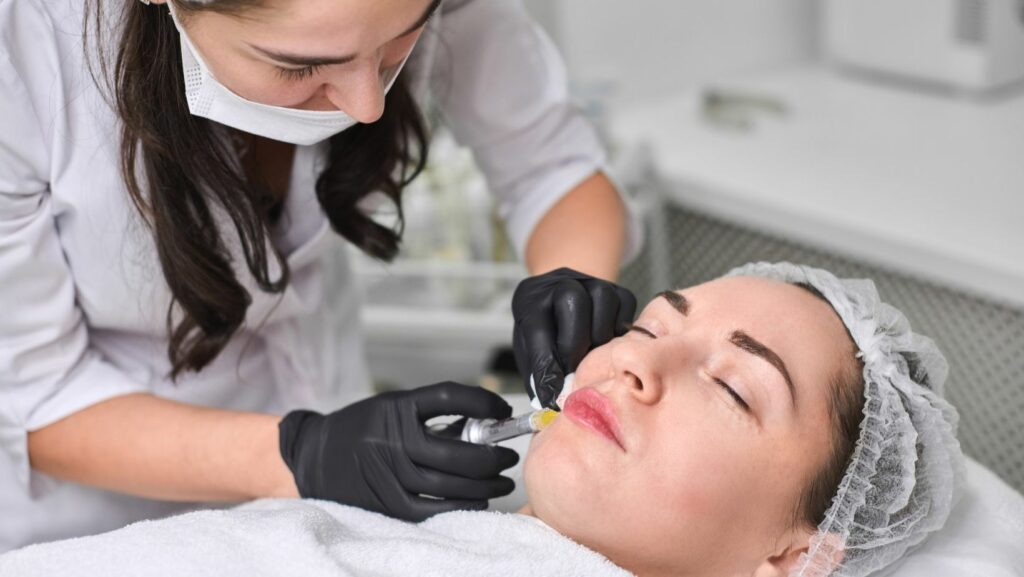
Aesthetic medicine remains in demand for professionals who want to expand their services and respond to the rising interest of patients in nonsurgical cosmetic treatments. Dermal fillers remain the most sought-after procedure in clinics, medical spas, and private practices. As demand grows, so does the responsibility of the practitioner. Results depend on anatomical knowledge, product choice, injection technique, and patient assessment. Training therefore plays a direct role in treatment quality, patient safety, and long-term professional credibility.
Most health professionals enter aesthetic practice from various backgrounds, be it nursing, dentistry, medicine, or allied health fields. Each has valuable clinical experience; however, the nature of dermal filler treatments introduces challenges not encountered thus far. Facial anatomy differs from general anatomy training, and correct depth of placement and product behavior require specific instruction. Poorly prepared practitioners invite inconsistent outcomes and unnecessary complications. This strong link between preparation and results in why focused training has become an essential step, not an optional one.
Why Structured Dermal Filler Education Matters
Clinical confidence comes about with repetition under expert supervision. Structured training programs reduce variability and create an environment that naturally connects theory and practice. Participants learn how the layers of the face interact, how vascular structures vary, and how the different properties of fillers affect tissue response. The knowledge will subsequently support better decision-making during live treatments and reduce guesswork.
Safety for the patient remains paramount in all processes. Many complications, including vascular occlusion asymmetry and overcorrection, are due to lack of anatomical knowledge or use of improper technique. Education directly impacts such risks by instruction on the prevention, recognition, and response to potential complications. The practitioner who recognizes warning signs can take immediate appropriate action. Such training shields both the patient and professional reputation.
Consistency improves with training. Standardized methods allow practitioners to reproduce results from patient to patient while adjusting for face structure. This key balance of consistency to customization develops through guided practice rather than isolated experience. With time, the treatment plans a trained practitioner will build are those that correlate to realistic outcomes versus short-term trends.
The benefits also extend into professional growth. Clinics and employers increasingly value verified training credentials. Certifications signal commitment to safe practice and ongoing education. Patients also tend to trust practitioners who can explain procedures clearly and demonstrate formal training. This trust supports stronger consultation relationships and higher treatment acceptance rates.
Competencies That Distinguish the Merely Adequate from the Truly Expert Professional
Technical skill is the basis of dermal filler work, but expertise goes well beyond. The consultation shapes the entire journey for a treatment, where practitioners must assess facial balance, listen to patients’ concerns, and provide realistic expectations. In many training programs, communication guidance supports ethical decision-making and patient satisfaction.
Product knowledge plays another critical role. Different fillers vary in viscosity, elasticity, and longevity. Proper product selection for the correct treatment area has implications for both aesthetics and safety. Education aids practitioners in matching product characteristics to clinical goals rather than selecting based on limited familiarities. This informed approach reduces overuse and improves natural looking results.

Techniques of injection evolve with experience, but structured guidance really accelerates progress. Proper hand positioning with regard to angle, depth, and pressure will influence the placement of the filler material. Training allows the practitioner the opportunity to practice under observation and receive immediate feedback. Corrections made at this stage prevent poor habits from forming that are difficult to change later.
Complication management skills further distinguish the experienced professional. Even with careful practice, adverse events can occur. Education prepares practitioners to respond in a calm and effective manner. Knowing when to dissolve a filler, when to refer, and how to communicate with a patient during a complication builds long-term trust. These skills protect both patient well-being and professional standing.
Choosing the Right Dermal Filler Training Courses
Not all dermal filler training courses provide equivalent value in education. Course structure, instructor experience, and practical exposure greatly vary. The best balance between theory and hands-on training will serve the practitioner most. Live demonstrations, supervised practice, and small group formats promote deeper learning than purely lecture-oriented formats.
Instructor background: Instructors should be carefully considered because active clinicians are bringing reality into teaching. Such broad exposure to cases enables them to discuss questions that usually arise and are not found in textbooks. This practical approach favors more realistic preparation for routine clinical practice.
Course content should also be relevant to current standards and regulations. Aesthetic medicine evolves as products and techniques develop. Training that includes updated protocols and evidence-based methods supports safe and compliant practice. Programs addressing consent documentation and post-treatment care offer added value for real-world application.
Long-Term Career Impact of Quality Aesthetic Training
Education has a lasting effect on career direction. Those who invest in high-quality training frequently expand their services with greater confidence. This growth supports increased patient retention and referral rates. Patients return more frequently to those providers who give predictable results and clearly communicate about outcomes and risks.
The reputation of the clinic also grows over time with continued practice. There are skilled practitioners who further help in positive reviews and word-of-mouth referrals. These factors strengthen the visibility of a clinic without necessarily adopting aggressive marketing. Training, therefore, supports organic growth driven by patient experience rather than promotion alone. Professional satisfaction often increases as well.
Confidence in technique reduces anxiety during procedures and allows practitioners to focus on artistry and patient interaction. This balance between technical skill and creative judgment keeps work engaging and sustainable. Burnout risk decreases when practitioners feel prepared and supported in their practice. Continued education does not stop at initial training but is an ongoing process. Refresher courses, advanced modules, and peer learning keep the practitioner current with best practices. Such a commitment to learning sends strong signals of professionalism to both patients and colleagues.
Over time, this builds a career defined by credibility, adaptability, and responsible growth. Aesthetic medicine rewards preparation and patience. Dermal filler treatments call for precision knowledge and ethical judgment. Training connects these elements into a cohesive skill set that benefits patients and practitioners alike. Investing in expert education therefore supports not only immediate skill development but also long-term success within a competitive and evolving field.