
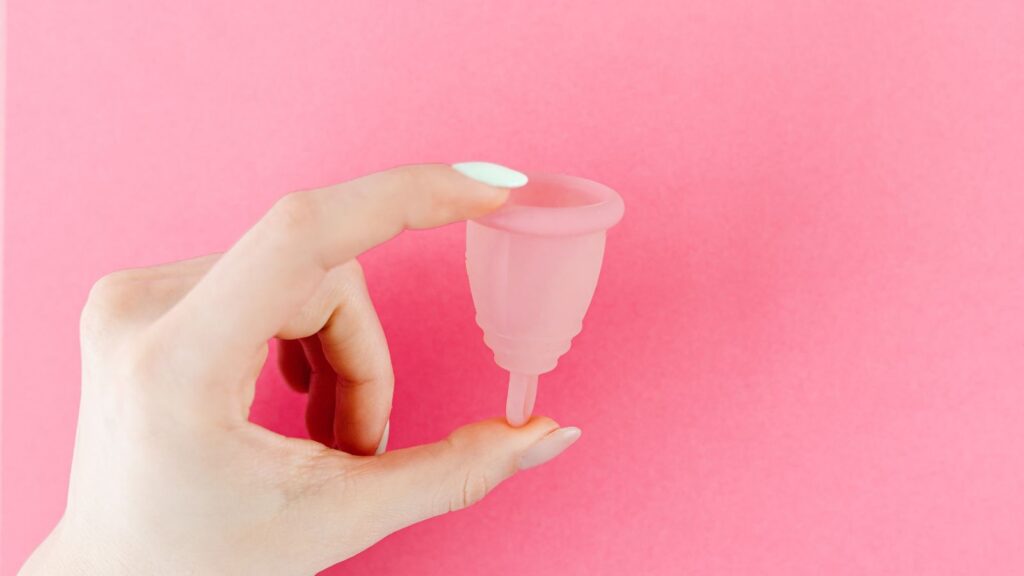
For most of the last hundred years, the conversation around period products in the United States has been dominated by two categories: tampons and pads. Both are disposable, both are heavily marketed, and both have a familiar place in the bathroom cabinets of most people who menstruate. Outside that mainstream, a smaller category has been growing for decades and has finally moved into the centre of the picture in the last ten years: the menstrual cup, and more recently, the menstrual disc.
The shift is no longer driven by environmentally minded early adopters alone. It is now backed by clinical research, regulatory clearance, and a generation of users who have moved over and stayed. This piece looks at what the science says, how cups and discs differ, and where the category fits in everyday period care.
What menstrual cups and discs actually are
A menstrual cup is a flexible, bell-shaped device, typically made from medical-grade silicone, that is inserted into the vaginal canal during menstruation to collect rather than absorb menstrual fluid. Cups create a seal against the vaginal walls, sit below the cervix, and are emptied, rinsed, and reinserted on a regular schedule. Most cups can be left in place for up to twelve hours depending on flow.
A menstrual disc is a related but distinct product. It is a shallower, flatter device that sits higher in the vaginal canal at the base of the cervix, in the vaginal fornix. Discs do not rely on suction to stay in place; they sit behind the pubic bone. Many users report they are wearable during penetrative sex, which cups generally are not.
Both categories are classified by the U.S. Food and Drug Administration as Class II medical devices and are subject to the agency’s premarket clearance process. Reusable versions are typically rated for several years of use with appropriate cleaning between cycles.
What the clinical evidence shows
The most cited piece of clinical research in the field is the systematic review and meta-analysis published in The Lancet Public Health in 2019, which examined 43 studies covering more than three thousand participants across multiple countries. The review concluded that menstrual cups were as effective at containing menstrual fluid as tampons and pads, that no increased safety concerns were identified, and that the proportion of users reporting they would continue using a cup after a learning period was high.
Subsequent peer-reviewed work indexed on the U.S. National Library of Medicine has expanded on specific safety questions, including the very low rate of toxic shock syndrome associated with cup use, the absence of meaningful disruption to vaginal microbiome composition in studied cohorts, and the comparable rates of urinary symptoms versus other internal products.
The American College of Obstetricians and Gynecologists and the American Academy of Pediatrics have both published guidance acknowledging menstrual cups as a safe option for adolescents and adults who can use them correctly.
In plain terms, the medical literature treats reusable internal period products as equivalent to disposable internal products on safety and efficacy grounds, with their main differentiators sitting on the practical, financial, and environmental side.
The practical differences that show up in daily use
Users who switch from disposables to a cup or disc tend to describe the same handful of changes in their daily life.
The wear-time window is longer. Twelve hours of internal protection from a single insertion changes the rhythm of the day in a way most disposable users have never experienced. Workdays, long flights, overnight sleep, and full days of exercise all become more practical to plan around.
The capacity is higher. A standard cup holds three to four times the volume of a regular tampon, which makes heavy-flow days less stressful and reduces the panic of accidental leaks during long meetings or commutes.
The cost curve flattens. A single cup or disc, used and cared for correctly, lasts several years. A typical menstruator using disposables purchases between five thousand and fifteen thousand individual products over a reproductive lifetime; a single reusable device replaces a meaningful share of that stack.
The environmental footprint shrinks. Most disposable period products contain plastic and end up in landfill or in waterways. Reusable devices reduce that disposal load by orders of magnitude over the same period of use.
Where to start if the category is new
The single most useful thing a first-time user can know is that the learning curve is real and short. The first one or two cycles with a cup or disc are typically the hardest, and most published surveys converge on the same finding that around three quarters of users feel comfortable with their device by the third cycle.
Sizing is the other practical detail that catches people out. Most cup ranges include at least two sizes, often calibrated to age, vaginal birth history, and flow level. Disc sizing varies similarly. Specialist brands tend to provide a fitting guide rather than a single one-size offering.
Brands that publish their material certifications, FDA registration status, and manufacturing details transparently are the ones to start a search with. A cup for period care from a brand like Saalt, for instance, lists FDA registration, medical-grade silicone composition, B-Corp certification, and U.S. manufacturing on the product collection itself, which is the level of disclosure to look for as a baseline rather than as a differentiator.
Care and longevity
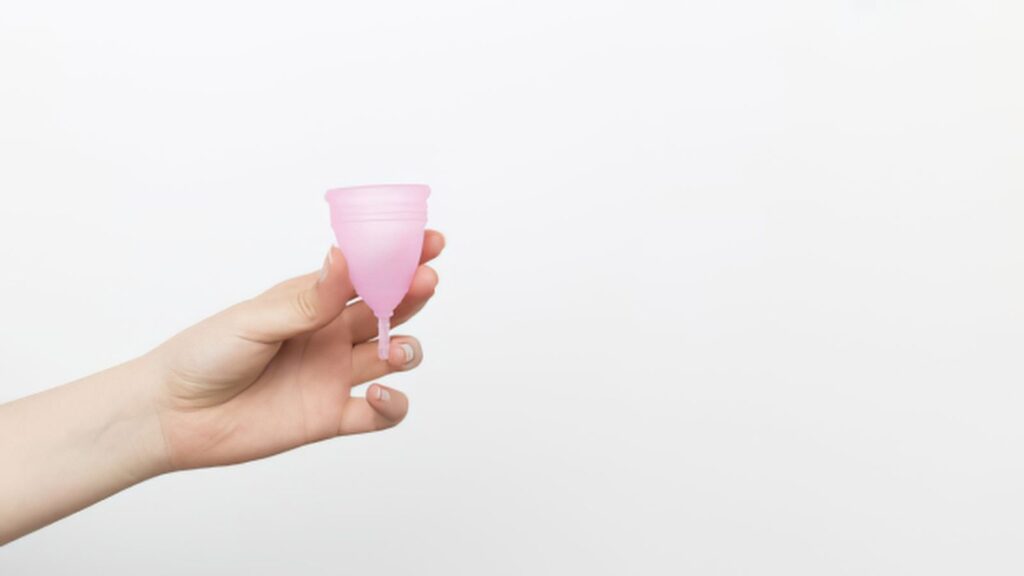
Reusable period care is straightforward to maintain but is not zero-effort. Standard practice involves rinsing the device with water during use, washing with a mild fragrance-free soap between insertions if convenient, and sterilising in boiling water for several minutes between cycles. Manufacturers publish exact instructions for their specific product, and following those instructions matters because silicone, TPE, and other materials respond differently to cleaning agents.
A well-maintained cup or disc generally lasts several years. Visible wear, persistent discolouration despite cleaning, or loss of seal performance are the standard signals that a device should be replaced.
When to consult a clinician
Most users adapt to a menstrual cup or disc without any clinical input beyond the manufacturer’s guide. A clinician’s input is helpful in a few specific situations. Pelvic pain, IUD use, a history of vaginal prolapse, recent childbirth, or any anatomical concern is worth discussing before starting. Difficulty with insertion or removal that does not resolve after the first few cycles also deserves a clinical review rather than persistent self-trial.
FAQ
Are menstrual cups safe for teenagers? Yes. The American Academy of Pediatrics has acknowledged cup use as a safe option for adolescents who can use the device correctly. Smaller sizes are typically available in mainstream cup ranges.
Do menstrual cups affect the vaginal microbiome? Studies to date have not found meaningful disruption to the vaginal microbiome in cup users compared with users of other internal products. This is an active research area and additional data continues to be published.
Can a cup or disc be used with an IUD? Many IUD users do use cups and discs successfully, but discussing the choice with the clinician who placed the IUD is sensible because device removal or strong suction release can in rare cases displace an IUD.
How does toxic shock syndrome risk compare with tampons? Reported rates are very low across the published literature. Following manufacturer guidance on wear-time and cleaning, and washing hands before insertion and removal, are the practical risk-reduction steps that cover most of the safety conversation.