
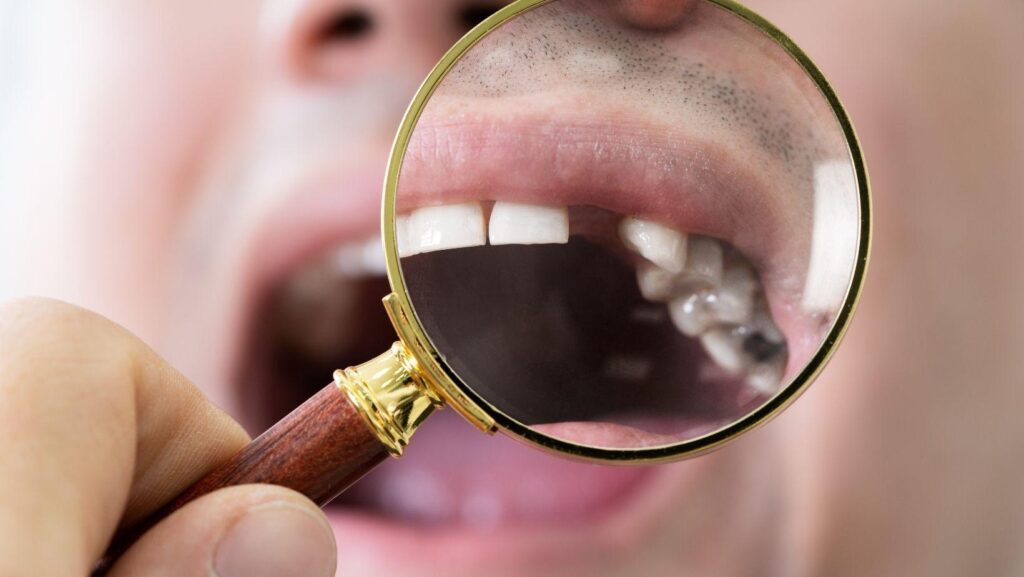
Missing teeth can affect how you eat, speak, and feel about your smile. Same-day implant treatment may let you leave your appointment with a temporary tooth or prosthesis, but it does not mean the implant fully heals in one day. This distinction is important for anyone exploring , since expectations about the timeline can shape how satisfied you are with the process.
Your dentist will assess your bone, gums, medical history, and bite before recommending immediate treatment. You will also learn how digital planning, temporary teeth, healing, and long-term care fit together.
How Same-Day Implant Treatment Works
Same-day treatment can place an implant and attach a temporary tooth or arch during one appointment. Your eligibility depends on factors such as bone volume, gum health, infection, and the implant’s initial stability.
Immediate Implant Placement
Your dentist begins with an examination, dental imaging, and a review of your medical history. These steps help determine whether the extraction site, surrounding bone, and gums can support immediate implant placement.
If you have an active infection, inadequate bone, or certain uncontrolled health conditions, your dentist may recommend healing or bone grafting before implant surgery. When appropriate, your dentist removes the damaged tooth and places the titanium implant into the jawbone during the same appointment.
The implant must remain stable under controlled pressure while the bone heals through osseointegration. Your dentist may use sutures and provide instructions for cleaning, medication, and diet.
Immediate placement does not guarantee a same-day permanent tooth. Your dentist evaluates the implant’s stability and the condition of the surgical site before deciding whether to load it immediately.
Healing continues for several months, even when you receive a temporary restoration on the day of surgery.
Temporary Teeth on the Same Day
If the implants have sufficient initial stability, your dentist can attach a temporary tooth, bridge, or full-arch prosthesis during the appointment. For a single missing tooth, this may involve one temporary crown.
For extensive tooth loss, several implants may support a provisional full-arch set of teeth. The temporary restoration helps you speak and maintain a more complete smile while the implants heal.
It may not function like your final restoration, so you usually need a soft-food diet and must avoid hard, sticky, or chewy foods. Follow your dentist’s instructions about brushing, rinsing, and pressure on the treated area.
After healing and integration, your dentist replaces the temporary teeth with a custom-made permanent restoration. The final fitting depends on your healing progress, implant stability, gum condition, and bite.
Who May Be a Candidate
You may qualify for same-day implants if you have adequate jawbone support, healthy gums, and a tooth that can be removed without extensive surgery. Your general health, tobacco use, oral hygiene, and ability to follow aftercare instructions also affect whether immediate placement is safe.
Bone and Gum Health Requirements
Your dentist will use an examination and dental imaging, such as 3D scans, to assess bone volume, density, and the location of nerves and sinuses. You generally need enough healthy bone to hold the implant firmly after placement.
If bone loss has occurred, bone grafting or a delayed implant may provide a safer option. Your gums must remain free from active periodontal disease, swelling, and uncontrolled infection.
An infected tooth does not always rule out immediate placement, but your dentist must determine whether removing the tooth will leave a clean, stable site. Same-day treatment usually works best when the implant achieves strong initial stability and you can protect it from excessive chewing forces while it heals.
Severe grinding, a complex extraction, or extensive damage around the tooth may require staged treatment instead.
Medical and Lifestyle Considerations
You need reasonably controlled general health to support healing. Uncontrolled diabetes, certain immune conditions, active cancer treatment, and some medications may increase infection or healing risks.
Your dentist and physician may need to coordinate care before treatment. Smoking and heavy tobacco use can impair blood flow and raise the risk of implant complications.
Reducing or stopping tobacco use improves healing prospects. You must also maintain careful brushing and flossing, attend follow-up visits, and follow restrictions on chewing during the healing period.
Your dentist will review your medical history, medications, bite, oral hygiene, and treatment goals before deciding. Same-day placement may not suit every tooth or patient, even when replacing the tooth remains appropriate.
Planning for a Predictable Outcome
A reliable same-day implant plan matches your bone structure, health history, bite, and restoration goals. Precise imaging and the right temporary or permanent restoration help your dentist protect healing tissues while giving you a practical treatment timeline.
Digital Imaging and Treatment Design
Your dentist may use a 3D CBCT scan to evaluate bone width, height, density, and the location of important structures such as nerves and sinuses. Digital scans can also show infection, neighboring roots, and the position of your planned teeth.
These details help determine whether immediate placement is appropriate or whether bone grafting or staged treatment would provide a safer result. Your dentist should review your medical history, medications, smoking status, gum health, bite, and oral hygiene before surgery.
A digital treatment plan can coordinate implant position with the final tooth shape, allowing the implant to support proper function and appearance rather than simply filling the extraction site. Immediate loading also depends on primary stability.
If the implant does not achieve enough stability during placement, your dentist may recommend a healing period before attaching a functional tooth.
Choosing the Right Restoration Option
Your restoration depends on how many teeth you need, the condition of your remaining teeth, your bite, and the stability of the implants. For a single missing tooth, your dentist may place an implant with a temporary crown while the implant integrates with the bone.
You may need to avoid chewing directly on that tooth during healing. For several missing teeth or a full arch, your dentist might recommend a fixed temporary bridge supported by multiple implants.
This option can restore your ability to speak and eat more normally, but it requires careful control of biting forces and follow-up visits. Ask whether the same-day teeth are temporary or final, what materials your dentist will use, and how long each restoration should last.
Clarify cleaning instructions, dietary restrictions, repair coverage, and the schedule for replacing the temporary restoration with the final one.
Recovery, Long-Term Care, and Expected Results
Your initial recovery usually involves swelling, tenderness, and temporary teeth that require careful use. Long-term success depends on daily cleaning, professional maintenance, and timely treatment of problems affecting the implants or surrounding gums.
Healing After Surgery
Follow your clinician’s instructions for pain relief, rinsing, brushing, and food choices. Swelling often peaks during the first few days and then improves.
Choose soft foods, avoid chewing directly on the surgical sites, and do not smoke or use tobacco, which can interfere with healing. Your temporary teeth may restore your appearance and limited function on the day of surgery, but they are not the final restoration.
Avoid hard, sticky, or chewy foods until your implant dentist confirms that you can increase chewing pressure. Attend every follow-up appointment so your clinician can monitor tissue healing and implant stability.
Contact your dental office if you develop worsening pain, increasing swelling after the first several days, persistent bleeding, fever, pus, numbness, or a loose implant or temporary tooth. The bone typically needs several months to bond with the implant before your dentist places the final teeth, although timing varies by treatment plan.
Maintaining Implant-Supported Teeth
Clean your implant-supported teeth every day. Brush twice daily with a soft-bristled toothbrush and fluoride toothpaste.
Clean beneath bridges and around implant components with tools recommended by your dental team, such as floss designed for implants, interdental brushes, or a water flosser. Do not use excessive force when cleaning.
Your dentist or hygienist can show you how to reach areas beneath a fixed bridge without damaging the gums. Professional cleanings and implant examinations help identify plaque buildup, gum inflammation, worn components, or changes in fit.
Avoid using your teeth to open packages or chew hard objects such as ice. Dental implants do not decay like natural teeth, but the surrounding gums and bone can develop inflammation or infection.
Report bleeding, persistent redness, bad taste, discomfort, or movement promptly. The visible restoration may eventually need repair or replacement.