
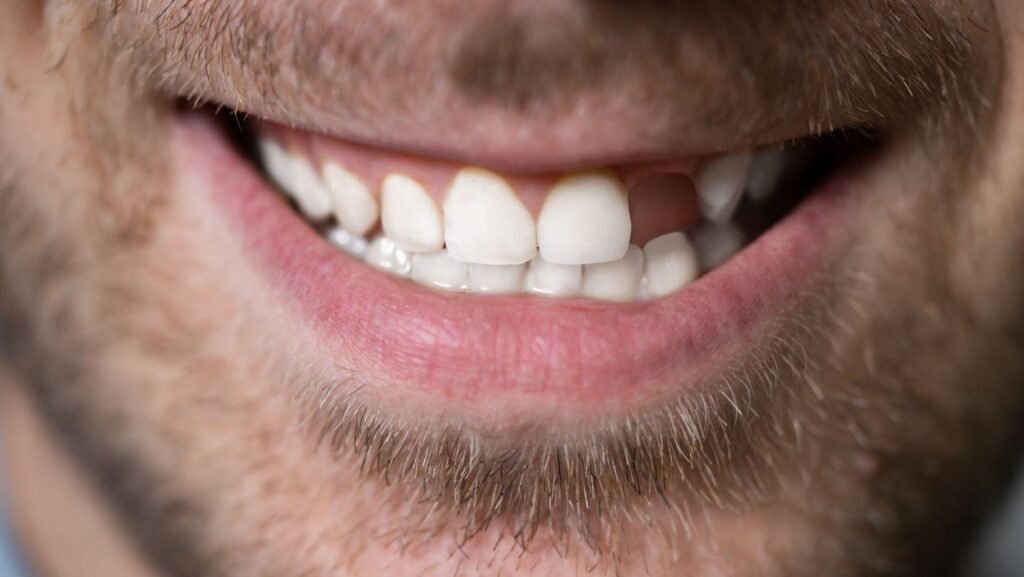
Losing one molar can affect chewing, tooth alignment, and the bone beneath the missing tooth. You can replace it with an implant, a fixed bridge, or a removable partial denture. If you're weighing a single tooth implant in Miami against a bridge or partial denture, comparing how each option performs can help you decide with confidence.
Each option involves different procedures, costs, maintenance needs, and long-term considerations. You will often prefer an implant because it replaces the tooth root, helps limit bone loss, and avoids reshaping neighboring healthy teeth.
A bridge may suit you if you need a lower upfront cost, cannot undergo implant surgery, or have nearby teeth that already need crowns. Your dentist can assess your bone levels, gum height, bite, overall health, and treatment goals before recommending an option.
Comparing healing time, durability, daily care, and total costs will help you make a decision that fits your needs.
Understanding Single-Molar Replacement Options
Replacing one missing molar usually involves choosing between an implant-supported crown and a traditional bridge. Your choice depends on bone volume, the condition of neighboring teeth, treatment time, cost, and your ability to maintain oral hygiene.
Dental Implant Components
A dental implant replaces the missing tooth without using adjacent teeth for support. The system typically includes three parts:
Your dentist may request 3D imaging to evaluate bone height, nerve location, and the position of nearby teeth. If you have significant bone loss, you might need bone grafting before implant placement.
The process can take several months because the implant must heal before the final crown is attached. An implant may help preserve bone in the area because it transfers chewing forces into the jaw.
You still need daily brushing, flossing, and professional cleanings to reduce the risk of gum inflammation around the implant.
Traditional Bridge Design
A traditional dental bridge replaces a missing molar with a false tooth, called a pontic, suspended between crowns placed on the neighboring teeth. Your dentist reshapes those supporting teeth so the crowns can fit securely.
The bridge then restores chewing function without surgery or a separate healing period. A bridge may suit you if the adjacent teeth already have large fillings, crowns, or require restoration.
It can also provide a faster replacement than an implant, although treatment usually requires at least two appointments. Because the bridge relies on neighboring teeth, those teeth carry additional biting forces and require careful cleaning beneath the pontic.
Special floss threaders, interdental brushes, or water flossers can help remove plaque in that area. A bridge does not replace the missing tooth root, so bone loss beneath the pontic may continue over time.
Why Implants Are Commonly Preferred
A dental implant replaces the missing tooth and its root without relying on neighboring teeth. It can also help preserve the jawbone in the treated area and provide stable chewing function when your bone, gums, and general health support treatment.
Preserving Adjacent Healthy Teeth
A traditional bridge usually requires crowns on the teeth beside the gap. Your dentist must reshape those teeth, even if they have no fillings, cracks, or other damage.
This process permanently removes enamel and may increase the need for future dental treatment if a supporting tooth later develops decay or loses strength. An implant stands independently in the jaw.
After healing, it supports an abutment and crown without connecting to your adjacent teeth. You can brush and floss around those teeth as usual, although you may need an interdental brush or floss threader to clean around the implant crown.
Your dentist still needs to evaluate the neighboring teeth, gum health, bite, and available bone. An implant may not suit you if uncontrolled gum disease, smoking, certain medical conditions, or inadequate bone compromises healing.
Supporting Jawbone Health
After you lose a molar, the bone that once supported its root no longer receives normal stimulation. The body may gradually resorb some of that bone, particularly during the first several months after extraction.
Bone loss can affect the shape of the ridge and may make later implant placement more complex. An implant transfers chewing forces to the surrounding bone through its titanium post.
This stimulation can help maintain the bone around the implant, but it cannot restore bone that has already disappeared. Your dentist may recommend a bone graft before or during placement if imaging shows insufficient volume.
A bridge restores the visible tooth but does not replace the missing root. It does not provide the same direct support for the bone beneath the gap.
Your dentist will use dental imaging to assess bone height, width, the sinus, and nearby nerves before recommending treatment.
Long-Term Function And Stability
An implant-supported molar can provide firm support for chewing because the crown attaches to a post anchored in your jaw. It does not depend on neighboring teeth for retention, and it avoids the movement that some people experience with removable partial dentures.
Treatment usually takes longer than a bridge. You may need extraction, grafting, implant placement, several months of healing, and placement of the final crown.
Your dentist will also check your bite so the implant does not receive excessive force, especially if you grind or clench your teeth. Implants require daily cleaning and regular examinations.
They can develop gum inflammation, loosen, fracture, or lose supporting bone if you neglect maintenance or place excessive pressure on them. A bridge may cost less initially and finish sooner.
Your decision should consider treatment time, health, bone conditions, cleaning needs, and long-term maintenance.
When A Bridge May Be Appropriate
A bridge can suit you when the teeth beside the gap already need crowns or when you need a faster, nonsurgical replacement. Your dentist should also assess your bite, gum health, cleaning ability, and the bridge’s expected maintenance before recommending it.
Condition Of Neighboring Teeth
A traditional bridge uses crowns on the teeth beside the missing molar. Those teeth must have enough healthy enamel, strong roots, and adequate bone support to carry the chewing forces.
If either neighboring tooth already has a large filling, a crack, extensive decay, or needs a crown, using it as a bridge support may be practical. Your dentist usually reshapes the supporting teeth to make room for the crowns.
This permanently changes otherwise healthy teeth, which makes a bridge less attractive when the adjacent teeth have no dental problems. A bridge may also be unsuitable if gum disease, bone loss, or an unstable bite affects the supporting teeth.
You must clean beneath the replacement tooth and around each crown. Special floss threaders, interdental brushes, or water flossers can help remove plaque from areas a regular toothbrush cannot reach.
Treatment Timeline And Budget
A bridge generally requires fewer appointments and no implant surgery or bone integration period. Your dentist may prepare the supporting teeth, place a temporary bridge, and fit the permanent restoration after the dental laboratory completes it.
This can make a bridge useful when you need to restore chewing function within a shorter timeframe. The initial cost is often lower than an implant with an abutment and crown, but your insurance coverage and local fees determine the actual price.
Ask for a written estimate that includes examinations, X-rays, temporary restorations, and any required gum treatment. A bridge may need repair or replacement as the supporting teeth and surrounding gums change.
Compare its projected maintenance with the longer treatment timeline and higher upfront cost of an implant before choosing.
Making An Informed Treatment Decision
Your dentist needs to assess the molar site, surrounding teeth, bite, gums, and available bone before recommending an implant or bridge. You should also compare treatment time, expected maintenance, health considerations, and total cost over time.
Clinical Evaluation And Imaging
Your evaluation typically includes an examination of the extraction site, neighboring teeth, gum tissues, and bite. Your dentist will check for decay, cracks, gum disease, infection, tooth grinding, and space changes that could affect either restoration.
Dental X-rays show the roots, neighboring structures, and general bone levels. A 3D cone-beam CT scan may help evaluate bone width, height, nerve location, and sinus position, particularly for an upper or lower molar.
If bone volume remains insufficient for an implant, bone grafting might be necessary. Your medical history also matters.
Smoking, uncontrolled diabetes, certain medications, active gum disease, and poor oral hygiene can increase complications or delay healing. A bridge may require reshaping healthy neighboring teeth, while an implant usually avoids preparing those teeth but requires surgery and adequate healing capacity.
Discussing Risks, Benefits, And Maintenance
Ask your dentist to explain how each option fits your bite, oral hygiene, and long-term goals.
An implant replaces the tooth root and generally helps preserve bone in that area. Treatment may take several months and can involve grafting, surgical risks, and temporary restorations.
A bridge often restores function more quickly and usually costs less at the beginning. However, it relies on adjacent teeth, requires them to be prepared, and can make cleaning beneath the replacement tooth more demanding.
A bridge may also need replacement if supporting teeth develop decay, fractures, or gum problems.
Discuss the full treatment sequence, expected lifespan, follow-up visits, and costs for consultations, imaging, grafting, restoration, and future repairs.
Ask how to clean the area with floss threaders, interdental brushes, or water irrigation. Confirm whether your bite or grinding requires a protective night guard.