
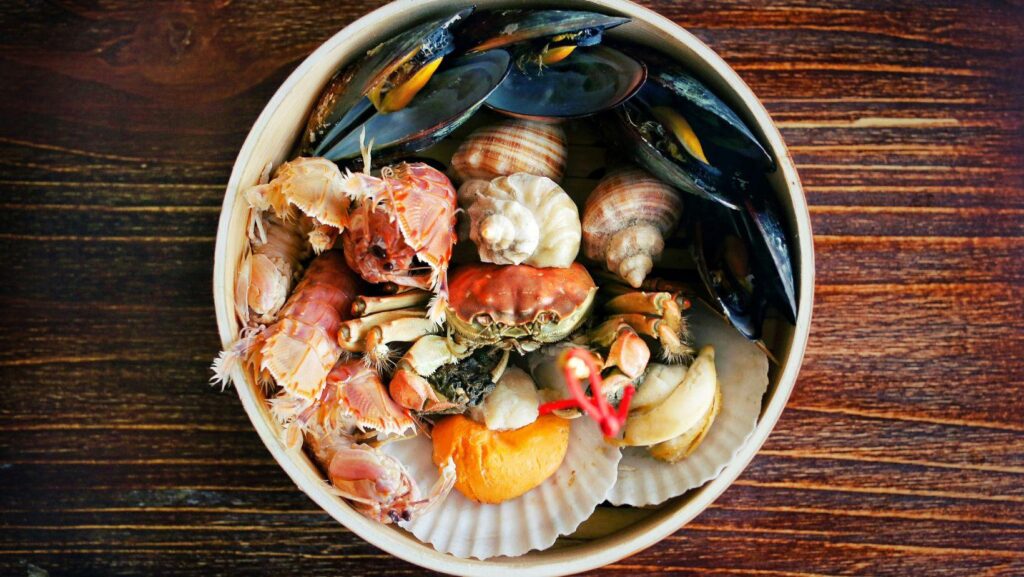
Shellfish can support a heart-conscious eating pattern when it is responsibly sourced, safely handled and prepared with modest amounts of sodium and saturated fat. Scallops are especially useful because they provide lean protein, several minerals and a mild flavor that works well with vegetables and whole grains.
“Clean shellfish” is not a formal nutrition category. Here, it refers to shellfish that has been properly harvested, stored and cooked without heavy breading, rich sauces or excessive salt. Those details determine how well the final meal aligns with your cardiovascular goals.
Vascular Health and Lean Seafood
Scallops provide high-quality protein while remaining relatively low in total fat. Protein helps maintain muscle mass, supports tissue repair and makes meals more satisfying. That can be useful if you are trying to manage your weight, which is closely connected to blood pressure, cholesterol levels and overall cardiovascular risk.
Different types of shellfish provide protein and important micronutrients, including vitamin B12 and selenium, although the exact nutritional profile varies by species and serving size.
Making small dietary changes for heart health can also make a difference over time. Replacing foods high in saturated fat with options such as lean seafood, vegetables and olive oil can help create a more heart-conscious eating pattern.
Scallops should not be treated as a direct substitute for salmon, sardines or other oily fish when your main goal is increasing omega-3 intake. The cardiovascular benefits of omega-3 fatty acids are most closely associated with fatty fish, which usually contain higher levels of EPA and DHA. Still, lean shellfish can add variety to a seafood-rich diet and may help replace meals centered on fatty processed meats.
Portion and preparation matter. A practical serving is about 3 to 4 ounces cooked, paired with fiber-rich foods such as brown rice, barley, lentils or roasted vegetables. This combination supplies protein without allowing one food to dominate the plate. If you monitor dietary cholesterol because of a medical condition, ask your clinician or dietitian how often shellfish fits your individual plan.
Balancing Blood Pressure with Magnesium
Magnesium helps regulate muscle contraction, nerve signaling and blood vessel function. It also participates in the movement of calcium and potassium across cell membranes, processes that influence normal heart rhythm and vascular tone. Shellfish can contribute magnesium to the diet, though it works best as one part of a varied eating pattern.
No single serving will correct high blood pressure or a magnesium deficiency. A useful strategy is to build meals from several naturally low-sodium magnesium sources. For example, serve seared scallops over quinoa with spinach and white beans, then add lemon juice and chopped herbs. That plate combines seafood with plant foods that provide magnesium, potassium and fiber.
When you plan this type of meal, check both the seafood and the foods served beside it. Packaged rice mixes, bottled sauces and seasoned beans can add far more sodium than the scallops themselves. Plain scallops give you more control over seasoning than breaded or sauce-coated options.
Blood pressure management also depends on the broader pattern of what you eat. Regularly pairing lean seafood with vegetables, beans, whole grains and unsalted nuts produces a stronger nutritional foundation than focusing on one mineral. People with kidney disease or those taking medications that affect mineral balance should consult a medical professional before making major changes to magnesium intake.
What to Look for When Sourcing Cold-Water Fare
Start with clear information about origin, processing and delivery. A trustworthy seller should identify the type of shellfish, explain whether it is fresh or frozen and provide practical storage guidance. For shipped seafood, packaging must keep the product consistently cold until it reaches your door.
If you plan to buy scallops online, check the product description, ingredient information, storage instructions and delivery conditions before ordering. Choosing plain, minimally processed scallops also gives you greater control over sodium and seasoning at home.
Fresh scallops should have a mild ocean-like scent and firm, moist flesh. A strong sour or ammonia-like smell is a warning sign. Frozen scallops should arrive solidly frozen or at least cold enough to show that the package has maintained a safe temperature. Don’t use a package that arrives warm, leaking or badly damaged.
The label may also indicate whether scallops are “dry” or “wet.” Dry scallops generally have no added phosphate solution, while wet scallops have been treated to retain water. Treated scallops may release more liquid in the pan and can contain extra sodium depending on the processing method. Check the ingredient list instead of relying only on front-label descriptions.
Including seafood as part of a heart-conscious diet can support dietary variety, but sourcing and preparation still shape the nutritional value of the meal. Ask these questions before ordering:
- Is the species and harvest area identified?
- Are additives or sodium-containing treatments listed?
- Does the seller explain safe delivery and refrigeration?
- Can you choose an unseasoned product?
Once delivered, refrigerate fresh scallops promptly and follow the seller’s use-by guidance. Thaw frozen shellfish in the refrigerator, not on the counter. Keep it separate from ready-to-eat foods and wash utensils, boards and hands after they contact raw seafood. Anyone who is pregnant, older or immunocompromised should be especially careful to avoid raw or undercooked shellfish.
Heart-Healthy Cooking Without Excess Sodium
Scallops cook quickly, so a simple method often gives the best texture and flavor. Pat them dry, heat a skillet and use a small amount of olive or avocado oil. Place the scallops in a single layer without crowding the pan. Cook until the surface develops color and the center turns opaque, following current food-safety guidance and any package directions.
Build flavor with acid, aromatics and herbs before reaching for the salt shaker. Lemon zest, lime juice, garlic, parsley, dill, smoked paprika and black pepper can create a bright, savory result. A spoonful of chopped tomatoes or a quick puree of roasted red pepper also works as a sauce without the sodium found in many bottled products.
Be cautious with seasoning blends because salt may appear as the first ingredient. Soy sauce, prepared marinades, bouillon and bottled dressings can raise the sodium content quickly. If you use one, measure it instead of pouring directly from the container. Diluting a salty condiment with citrus juice, water or an unsalted puree can spread its flavor through the dish.
Cooking technique affects the meal as much as seasoning. Breaded scallops absorb more cooking fat and often come with added sodium. Cream-based sauces raise saturated fat, especially when they contain large amounts of butter, cream or cheese. Pan-searing, broiling and grilling allow the shellfish to remain the focus.
For a weeknight dinner, serve seared scallops with roasted broccoli and farro, then finish the plate with lemon and parsley. Another option is a warm bowl with barley, sautéed kale and mushrooms. These combinations add fiber and volume while keeping the seafood portion moderate.
If you track sodium closely, look at the full plate instead of judging the entrée alone. Bread, soup, cheese and prepared side dishes can push a seemingly light seafood dinner beyond your daily target. Plain shellfish, unsalted grains and freshly cooked vegetables make the total easier to control.
A heart-conscious scallop meal comes down to specific choices at the store and stove. Select plainly processed shellfish, keep it properly chilled and use herbs, citrus and vegetables for flavor. The result is a satisfying dinner that supports variety without turning a lean source of protein into a salt-heavy meal.